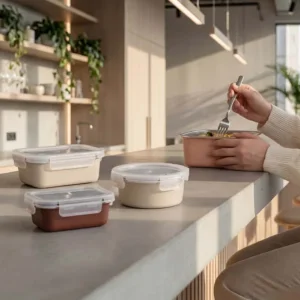
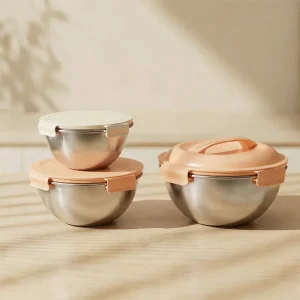
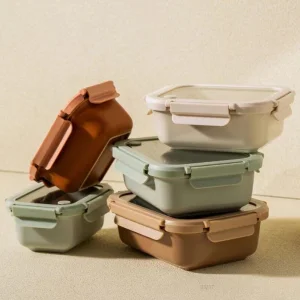
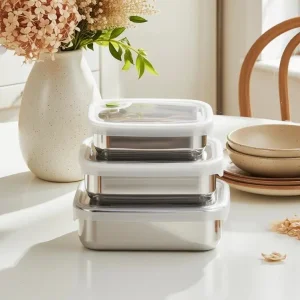
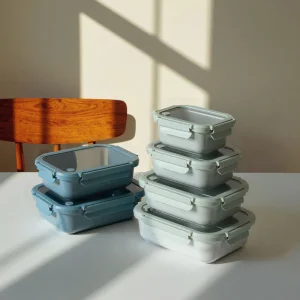
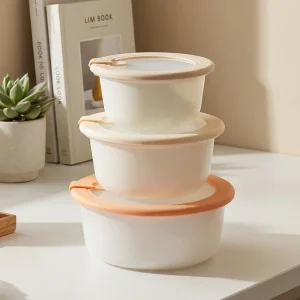
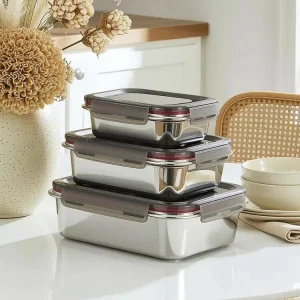
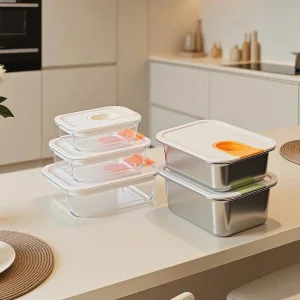
Explore our highly engineered glass and stainless steel containers designed for maximum thermal stability, structural resilience, and airtight sealing.
The global commercial food service and premium mixology industries have undergone a profound paradigm shift. Historically, generic soda-lime glass or standard plastic pitchers sufficed for high-volume settings. However, modern commercial mixology, specialty cafe operations, and industrial food service demand materials that exhibit high performance under thermal extremes, mechanical wear, and chemical exposure.
High borosilicate glass mixing pitchers have emerged as the gold standard. Consisting of approximately 81% silica ($SiO_2$) and 13% boron trioxide ($B_2O_3$), this specific formulation boasts an extremely low coefficient of linear thermal expansion ($3.3 \times 10^{-6}/\text{K}$). In practical application, this means the pitcher can withstand instantaneous thermal shock differentials of over 150°C (302°F) without experiencing structural failure. For premium hotels, high-volume bars, and labs, this properties translate directly into lowered operational replacement costs and enhanced safety profiles.
Additionally, the non-porous structure of high-grade borosilicate ensures that no flavor compounds, acidic juices, or chemical cleaners leach into the vessel walls. This chemical inertness makes it indispensable for professional beverage preparation where flavor purity is paramount.
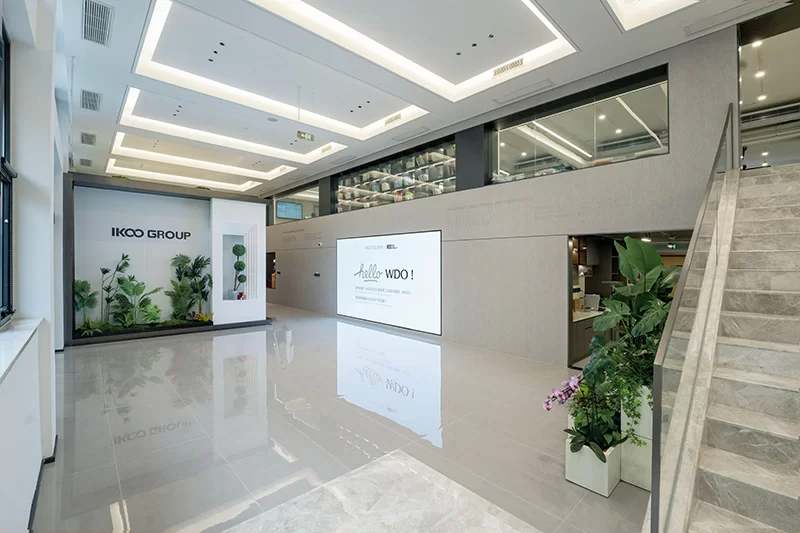
Capable of transferring directly from deep freeze environments (-20°C) to high-temperature ovens and steam sterilizers without micro-cracking.
Manufactured using 100% recyclable, lead-free raw materials with an optimized kiln combustion system reducing carbon footprint by 30%.
Exceeds FDA, LFGB, ISO9001, and FSC standards, ensuring complete compliance with the import protocols of over 80 developed nations.
For global procurement agents, sourcing from China's primary glass manufacturing corridors (specifically Shijiazhuang and surrounding industrial belts) offers distinct technological and economic advantages over traditional European or regional Asian suppliers.
1. Vertically Integrated Upstream Supply Chain: Chinese factories operate in close proximity to massive pure silica sand quarries and advanced industrial chemical refining plants. This localized clustering dramatically reduces transport costs and raw materials volatility.
2. Precision Automation and Scale: Modern production facilities have replaced antiquated manual furnaces with computerized, oxy-fuel gas-fired batch melting systems. This ensures a consistent melting temperature of 1600°C, producing glass blocks completely free of internal optical distortion, stone impurities, or micro-bubbles.
3. Advanced Annealing Lehrs: The critical phase of glass relief cooling—the annealing stage—is controlled by automated tunnel lehrs extending over 100 meters. The cooling curve is mathematically calculated to guarantee zero residual structural tension inside the glass walls. This level of factory automation ensures a reliable, repeatable yield that boutique workshops simply cannot replicate.
B2B procurement operations must move beyond surface-level quotes. Use these 4 pillars to vet potential manufacturing partners.
Ensure the supplier provides certified test reports from global auditors (SGS, TUV, Intertek). Critical checks include compliance with European LFGB (German Food and Feed Code) and United States FDA GRAS (Generally Recognized as Safe) protocols. Borosilicate must be verified to have 0% lead and cadmium content.
Look for an exporter that operates a dedicated CNC mold shop. Advanced manufacturers like IKOO GLASS can translate a 2D engineering drawing into a physical 3D sample within 7 to 10 days using CAD software. Check if they can execute custom logo embossing, specific spout geometry, and optimized ergonomics.
Ask for verifiable metrics regarding daily output capacity. A high-tier factory should manage at least 50,000 units of borosilicate ware daily. Adequate backup production lines prevent bottlenecks, guaranteeing average lead times of 30-45 days for complex mass orders.
For overseas shipping, structural packaging engineering is as vital as the product itself. Exporters must design drop-test certified boxes (ISTA-3A or ISTA-6 standards) using custom-molded high-density polyethylene or pulp inserts. Zero transit damage metrics save thousands in back-end logistics operations.
A chronological journey of innovation, capacity expansion, and the development of the globally recognized IKOO GLASS brand.
Establishment of Shijiazhuang Far East and initial borosilicate research operations.
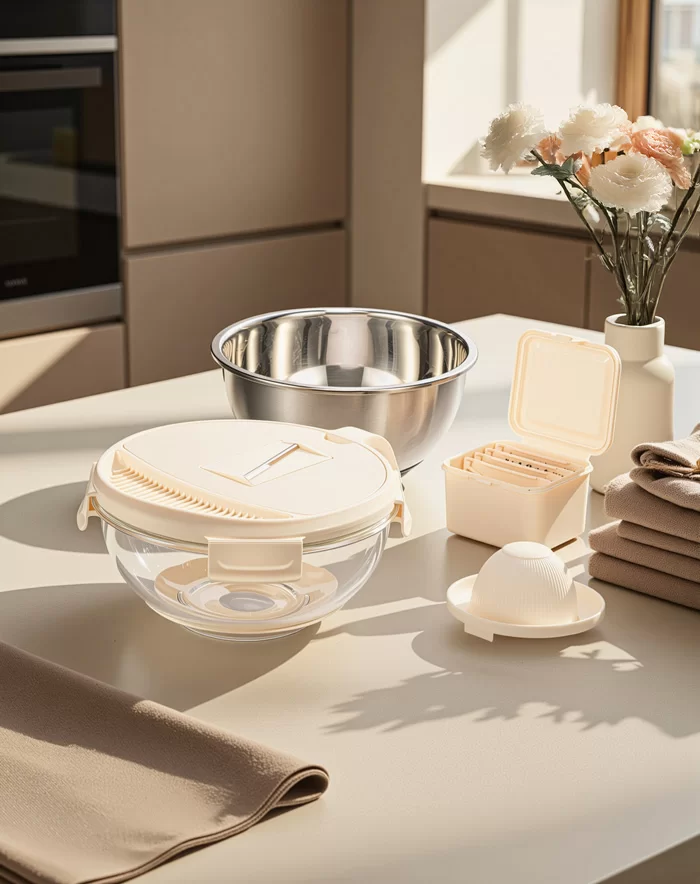
Expansion into industrial glass components and laboratory-grade glass testing.
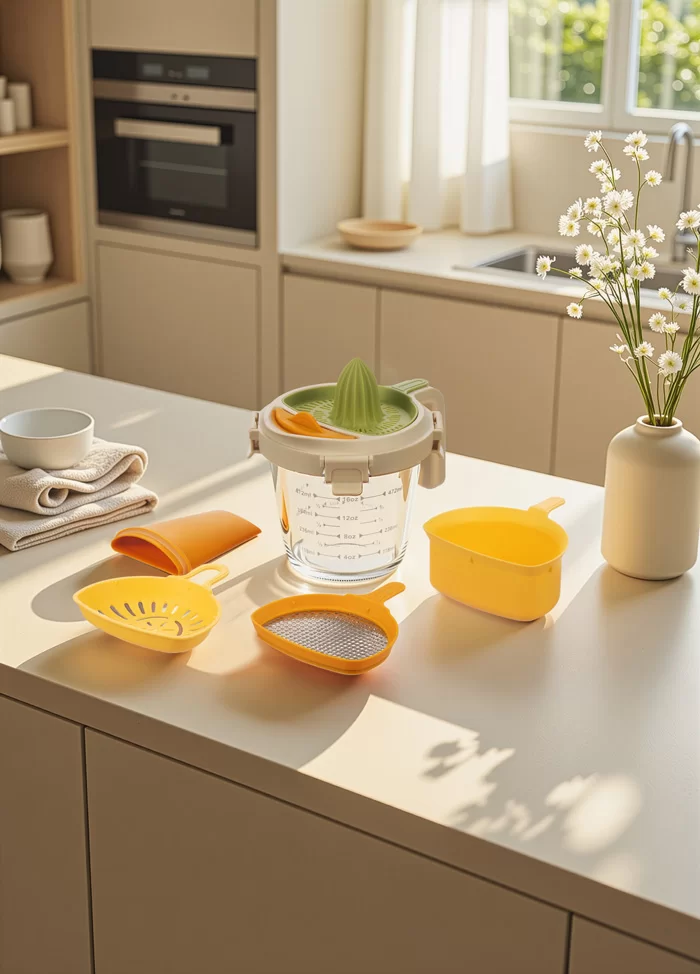
Obtained international quality systems accreditation including standard ISO9001.
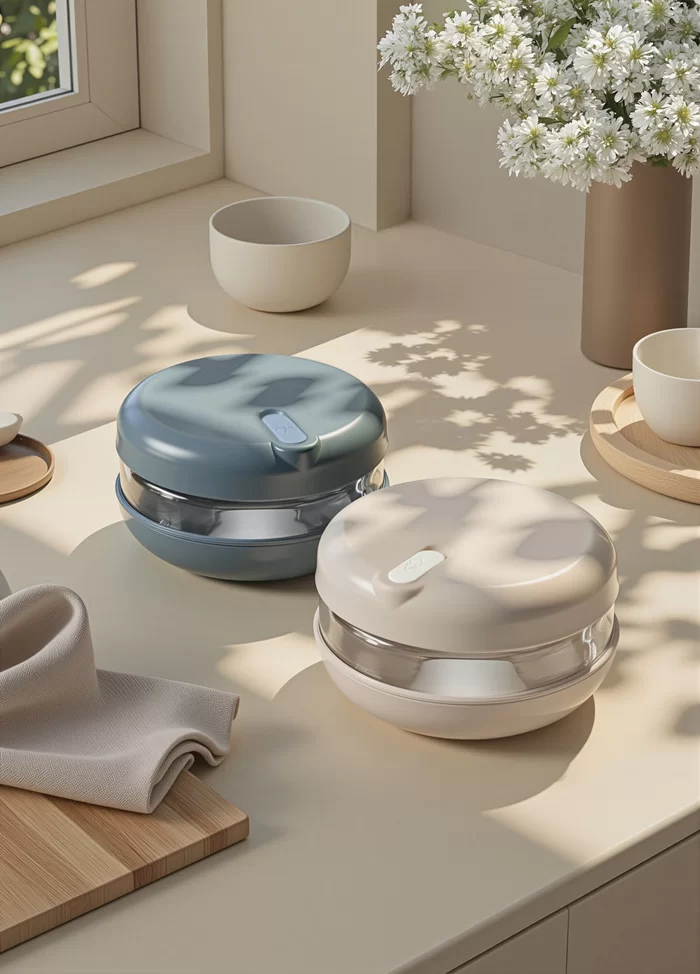
Initiation of direct exports to major European and North American distributors.
IKOO GLASS trademark registered simultaneously in China, USA, and Europe.
Self-owned production facility built, integrating furnace control automation.
US Branch established in North America to manage enterprise clients directly.
Australia Branch established, completing our southern hemisphere network.
Integrated green technology upgrades, achieving 30% reduction in carbon emissions.
Exceeded 500 utility patents globally, establishing a clear technical moat.
Deployed multi-node flexible manufacturing systems across global warehouses.

Established Asia-Pacific HQ in Singapore and brand-new European offices.
Our multidisciplinary units work collaboratively across three continents to engineer, validate, and deliver world-class glassware.
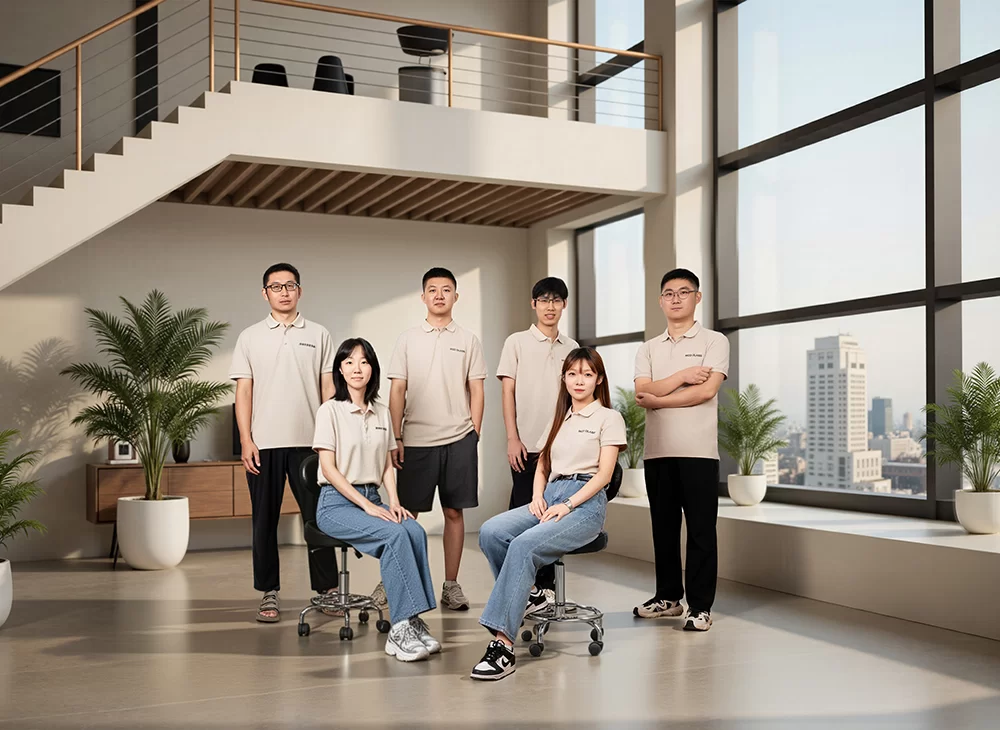
Translating complex physical dynamics into beautifully functional structural designs.
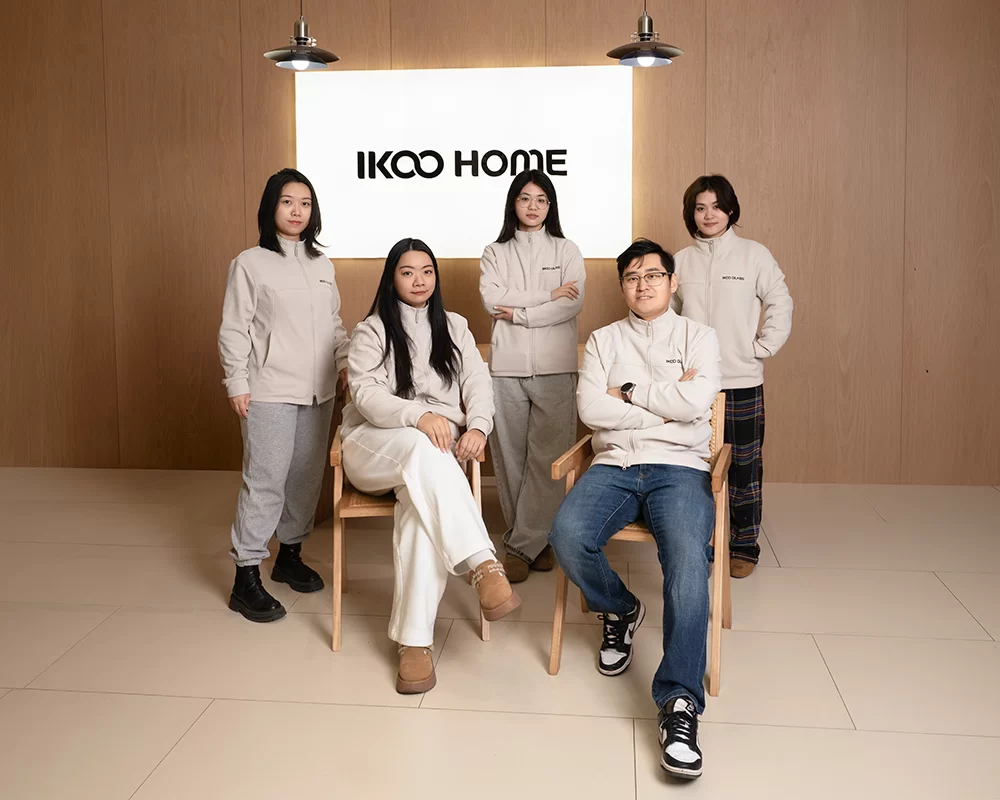
Engineering high-impact B2B packaging, cataloging, and localized marketing support.
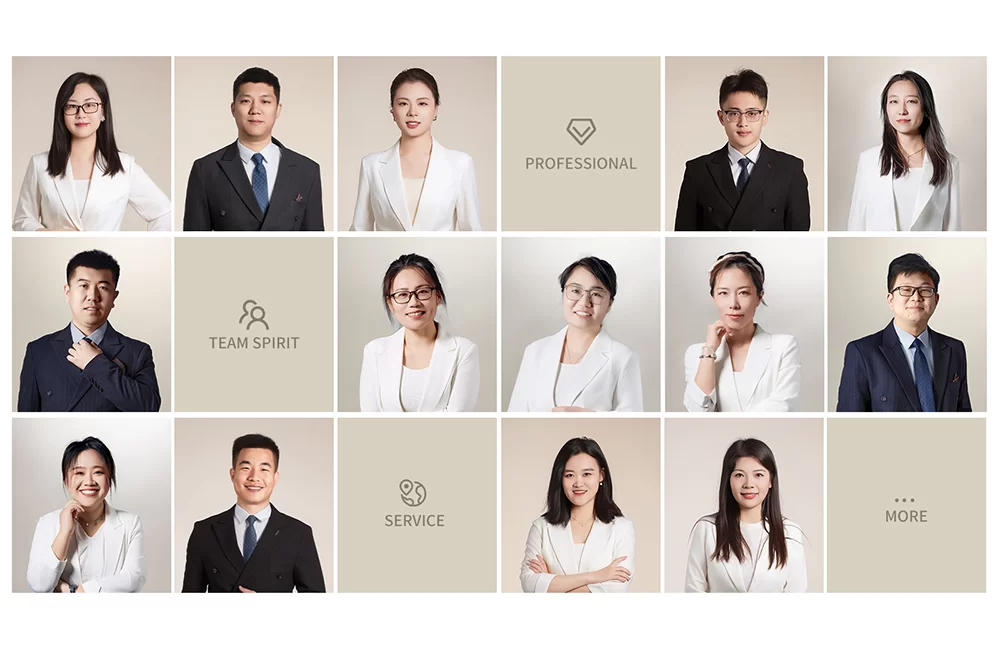
Providing multi-lingual service, commercial terms negotiation, and logistical support.
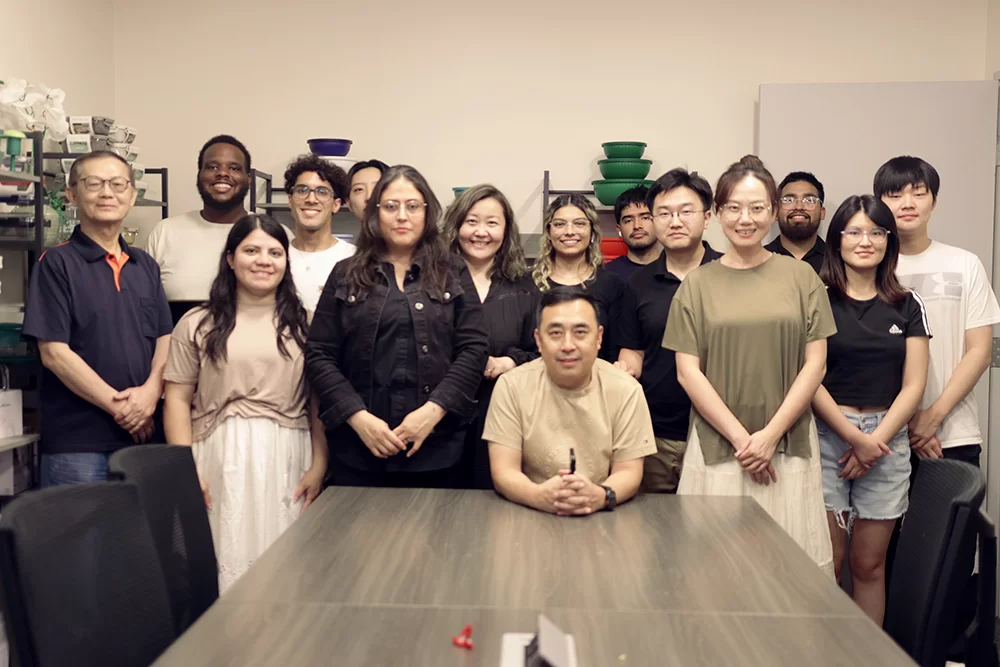
Providing real-time local support, warehousing access, and US key-account management.
Global procurement teams must balance shifting end-consumer demands with structural reality. Currently, three major movements drive purchasing programs worldwide:
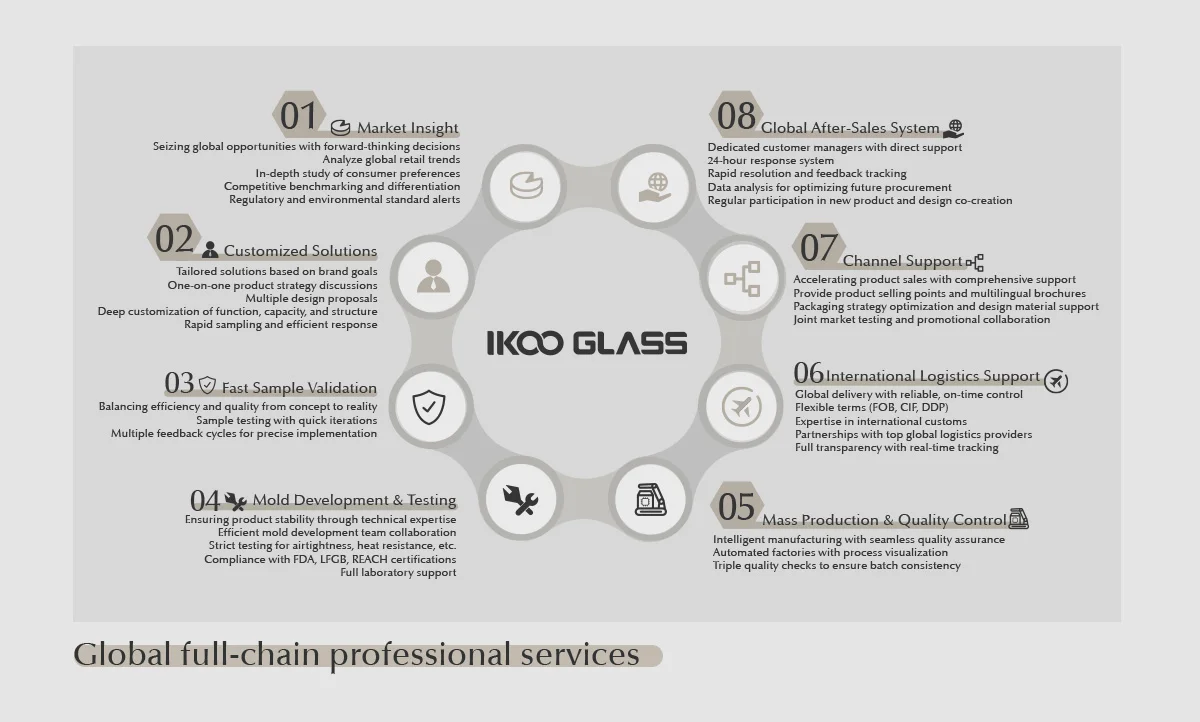
Our proprietary Global Full-Chain service system guarantees seamless progress from raw concept to final container delivery.
Utilizing big-data analytics to capture shift patterns in global consumer lifestyle and aesthetic trends.
Architecting tailored solutions regarding glass wall thickness, capacity parameters, and packaging styling.
Delivering physical SLA prototypes or high-borosilicate trial units for functional validation testing.
CAD-driven high-grade steel injection/blow mold fabrication with precise optical-surface polishing.
Executing physical stress, optical clarity, thermal endurance, and dimensional conformance tests during production runs.
Coordinating sea, air, and train multi-modal freight routes with customs clearance documentation support.
Providing retail packaging design, detailed high-definition assets, and regional exclusive supply contracts.
A transparent product liability system offering immediate replacements or offsets for transport issues.
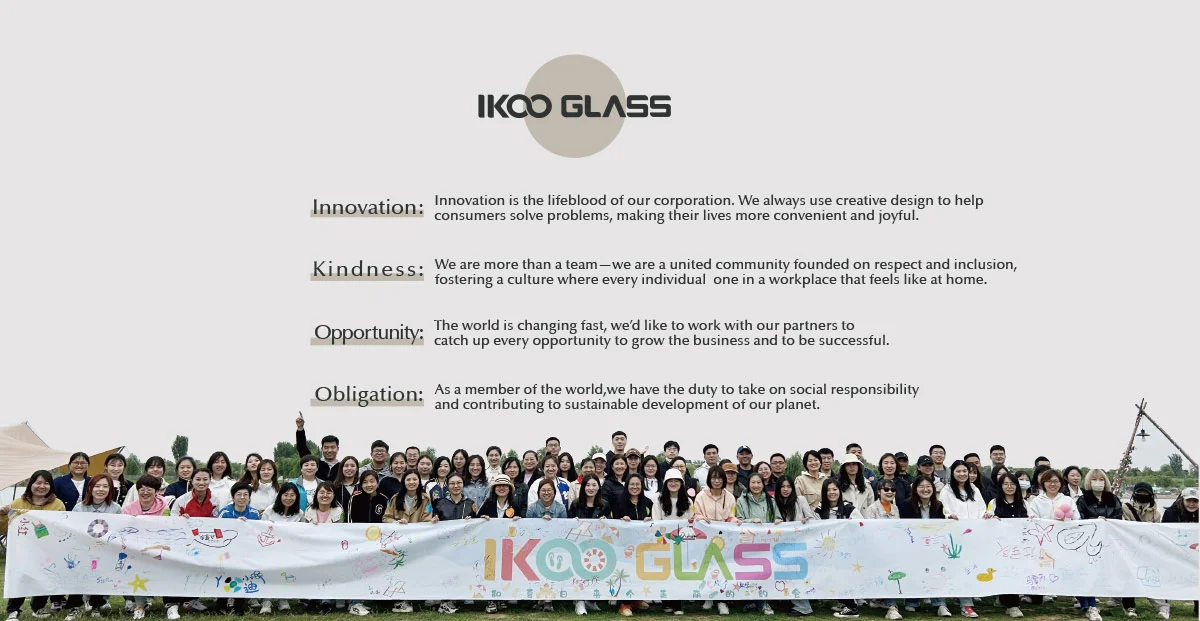
Our operational success is driven by four core pillars that guide every business transaction, manufacturing protocol, and client relationship:
Innovation: Innovation is the fundamental driver of our organization. We continually develop structural glassware improvements that solve real-world logistical and dining problems, enhancing ease of use and long-term lifespan.
Kindness: We are more than an industrial facility—we are a diverse community built upon mutual respect, operating high-efficiency production floors that prioritize employee safety and personal growth.
Opportunity: Markets evolve rapidly. We work hand-in-hand with our distribution partners to seize emerging market niches, from eco-friendly lifestyle shifts to premium restaurant trends.
Obligation: Environmental responsibility is key. We have committed to 100% recyclable glass formulations and have successfully reduced industrial fuel carbon output by 30% through advanced heat recovery systems.
Expert answers addressing the technical, structural, and logistical questions of sourcing managers.
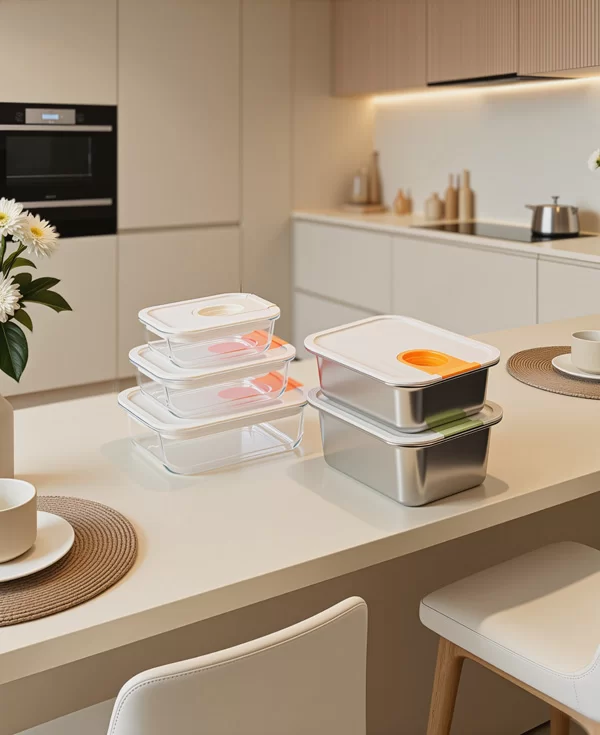
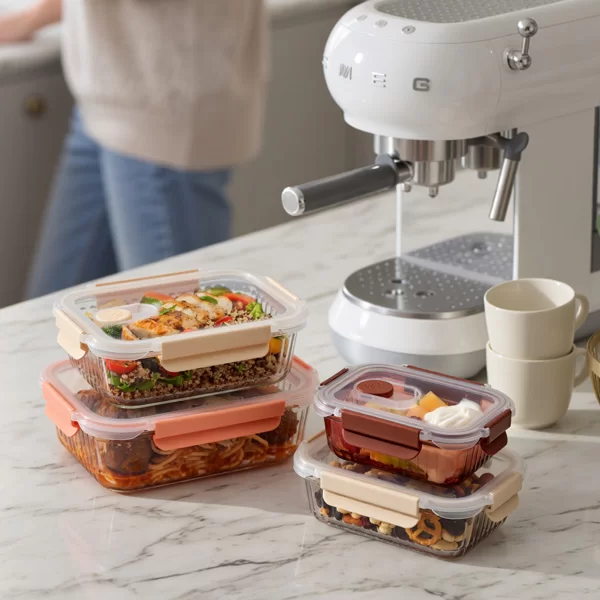
A secondary look at our durable, food-grade storage and mixing line, keeping your kitchen organized and food secure.