
Why Choose Divided Glass Storage Containers?

Time:2026-09-15 Author:Oliver
0%

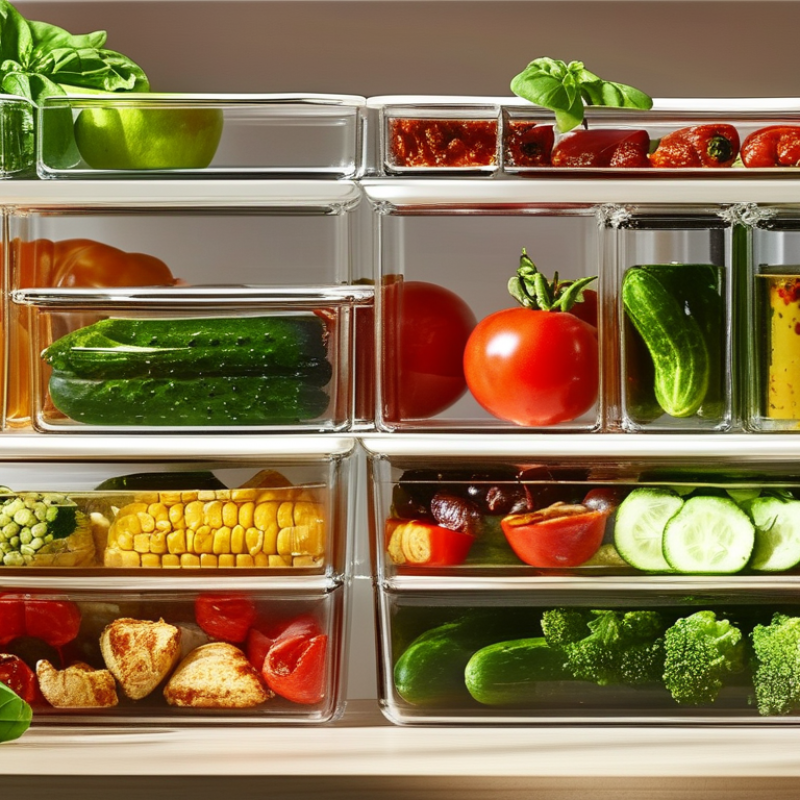
Why choose divided glass storage containers for everyday food storage? The answer begins with visibility, durability, and practical organization. Clear glass lets you identify leftovers without opening every lid. Separate compartments keep roasted vegetables away from rice, fruit, or sauces. That small change can make a crowded refrigerator feel easier to manage.

In home kitchens, these containers are useful for meal preparation, portion planning, and packed lunches. A sturdy glass base can move from refrigerator to table with less transferring. Many models also tolerate reheating when the manufacturer approves microwave use. Always check the care instructions first. Lids often require different handling. Some should not enter an oven or microwave.

The divided design also supports cleaner routines. Food remains separated, so delicate textures may stay more appealing. A crisp cucumber is less likely to sit directly beside warm pasta. Glass does not easily retain strong odors from garlic, curry, or tomato-based meals. It also offers a smooth surface that is generally simple to wash and inspect.

Still, divided glass storage containers are not perfect. They weigh more than plastic, and dropped glass can break. Compartments may reduce flexibility for unusually large portions. I have also found that poorly fitting lids can weaken the whole experience. Quality, dimensions, seals, and safety ratings matter. Choosing carefully is more important than choosing quickly. For households seeking visible, reusable, and organized storage, these containers offer a practical option with a few honest limitations.
Why Choose Divided Glass Storage Containers?

What Are Divided Glass Storage Containers? A Compartment-Based Design Overview

Why Choose Divided Glass Storage Containers?

Divided glass storage containers use one dish with separate compartments. Each section holds a different food without immediate mixing. A typical design may include two or three sections, a fitted lid, and silicone sealing points. This layout suits lunches, meal preparation, and refrigerator organization.

Glass offers a clear view of portions and stored ingredients. It also resists absorbing strong odors from garlic, curry, or tomato sauce. In daily use, I find the compartments helpful when keeping roasted vegetables beside rice. The texture stays more distinct. However, the dividers do not always create fully independent seals. Liquid foods can still move if the container tilts. That detail is easy to overlook.

Tips: Check whether the glass is heat-resistant before using an oven or microwave. Remove the lid unless its instructions permit heating. Let hot glass cool gradually, because sudden temperature changes may cause cracking. Dry the sealing ring after washing; trapped moisture can create unpleasant smells. Leave space above food for expansion. A tight fit is useful, but not invincible. Inspect chips and hairline cracks regularly, especially around compartment edges. I sometimes prefer fewer sections because narrow spaces are harder to clean thoroughly. Divided designs save space, yet they can add washing time. Choose the layout according to the foods you actually store, not only its appearance.

Why Choose Glass? 100% Recyclability and Low Chemical Reactivity

Why Choose Divided Glass Storage Containers?

Glass is 100% recyclable in principle and can be recycled repeatedly without losing quality. The Glass Packaging Institute describes this closed-loop advantage as a major difference from many disposable materials. However, recyclable does not always mean recycled. The U.S. Environmental Protection Agency reported a 25.2% glass recycling rate in 2018. Collection systems, contamination, and local facilities still matter. This gap deserves more attention.

Glass also has low chemical reactivity. Food-grade glass generally resists odors, stains, and flavor transfer during normal storage. It does not behave like a sponge after holding tomato sauce or curry. Divided sections keep rice, vegetables, and sauces separate, which protects texture and reduces unnecessary packaging. FEVE industry data indicates that every 10% increase in recycled glass in furnaces can reduce energy use by about 2.5% and carbon emissions by roughly 5%. These figures are useful, but they depend on efficient collection and processing. Glass is not impact-proof. It can break, and heavier transport may increase emissions.

Tips: Check local recycling rules before disposal. Rinse containers lightly, remove food residue, and keep broken glass out of household recycling unless your municipality permits it. Choose sturdy dividers, inspect edges regularly, and avoid sudden temperature changes. A practical habit helps: cool hot food before sealing the container.

How Borosilicate Glass Performs: 3.3 × 10⁻⁶/K Thermal Expansion

Why Choose Divided Glass Storage Containers?

Divided glass storage containers keep separate foods in one compact meal-prep space. Their real advantage becomes clearer when heat changes quickly. Borosilicate glass has a thermal expansion coefficient of about 3.3 × 10⁻⁶/K. That figure means the material expands very little as its temperature rises.

Less expansion can reduce stress during ordinary transitions, such as moving a container from a refrigerator to a warm kitchen. It also helps the glass maintain dimensional stability during reheating. In practical use, this matters when rice stays hot beside chilled vegetables. The divided structure limits sauces from spreading, while the glass remains suitable for viewing color, moisture, and portion size.

Still, low expansion does not mean unbreakable. A cold container placed directly on a hot surface may develop uneven stress. That risk increases with scratches, sudden temperature changes, or existing edge damage. Allowing the container to warm gradually is a sensible habit.

Avoid thermal shock.

The 3.3 × 10⁻⁶/K value is useful, but it should not be treated as a guarantee. Manufacturing quality, thickness, lids, and handling also affect performance. I have found that careless stacking can cause more trouble than normal reheating. That is an easy detail to overlook. Divided borosilicate glass offers controlled separation and dependable heat behavior, but careful use still matters.

How Compartments Support Portion Control Amid 30–40% U.S. Food Waste

Why Choose Divided Glass Storage Containers?

U.S. food waste estimates often reach 30–40% of the available food supply. That figure feels distant until wilted spinach sits untouched in your refrigerator. Divided glass storage containers make portions visible before meals are served. A small compartment can hold vegetables, grains, or fruit without mixing everything together.

Less guesswork.

Clear sections also support practical portion control. You can prepare one serving of rice, a measured amount of protein, and several vegetables in the same container. The boundaries create a visual limit, unlike a deep container that encourages overfilling. Research on portion size suggests that people often eat more when larger amounts are presented. Smaller, defined spaces may interrupt that habit.

Glass containers can also help preserve leftovers through safer, organized storage when handled properly. Their transparent walls keep forgotten food in sight, while separate compartments reduce spills and soggy textures. I still sometimes prepare too much food. A divided container cannot solve poor planning, and it will not make every leftover appealing. That limitation matters. Portion control works better when meal planning, date labeling, and regular refrigerator checks support it.

A practical test is simple: after two days, can you identify each portion, remember when it was stored, and still want to eat it?

Are They Durable and Sustainable? Tempered Glass Is 4–5× Stronger

Divided glass storage containers are useful when one lunch needs separate textures. Rice can sit beside roasted vegetables without becoming soggy. Tempered glass adds protection during repeated kitchen use. The Glass Association of North America reports that tempered glass can be about four to five times stronger in bending than ordinary annealed glass. This strength comes from surface compression created during controlled heating and rapid cooling.

That does not make the container unbreakable. A sharp impact on an edge, sudden thermal shock, or hidden manufacturing damage can still cause failure. Avoid moving a cold container directly into a very hot oven. Check the manufacturer’s temperature guidance. In practical use, thick walls, rounded corners, and secure dividers matter as much as the material itself. The lid is often the weaker component.

Glass also supports a more circular storage routine. FEVE’s 2023 industry report recorded an 80.1% container-glass collection rate in Europe during 2022. Glass can be recycled repeatedly without losing its basic quality. Reuse reduces dependence on disposable packaging, but weight creates a real transportation cost. The International Energy Agency notes that energy efficiency remains central to reducing emissions across heavy industries, including glass production. This is where my own preference needs qualification: a durable glass box used for years may be sensible, but replacing a lightly damaged container too quickly weakens that benefit.

Tempered glass is typically rated at approximately 4–5 times the strength of comparable annealed glass because its surface is placed under compressive stress during heat treatment. This added durability makes tempered divided glass containers suitable for repeated everyday use, while glass remains a recyclable material that can be reused without absorbing food odors or flavors.

FAQS

Why are divided glass containers useful for meal storage?

Separate sections keep rice, vegetables, and sauces apart. Textures stay better. Food is less likely to become soggy.

Is glass fully recyclable everywhere?

Glass is theoretically 100% recyclable and can be reused repeatedly without losing basic quality. However, local collection systems and contamination affect actual recycling.

How should I prepare a glass container for recycling?

Rinse away food residue lightly. Check local recycling rules. Do not place broken glass in household recycling unless local guidance allows it.

Does glass absorb food odors or flavors?

Food-grade glass generally resists odors, stains, and flavor transfer during normal storage. It does not act like a sponge after tomato sauce or curry.

Is tempered glass unbreakable?

No. Tempered glass is roughly four to five times stronger in bending than ordinary glass. Sharp edge impacts and sudden temperature changes can still break it.

How can I reduce the risk of thermal shock?

Let hot food cool before sealing the container. Avoid moving a cold container directly into a very hot oven. Follow its temperature guidance.

What details make a divided glass container more durable?

Thick walls, rounded corners, and secure dividers can improve everyday durability. Inspect edges regularly. The lid may fail first.

Are glass containers always the most sustainable choice?

Not always. Reusing a sturdy container for years can reduce disposable packaging. Its heavier weight may increase transport emissions. I may overvalue durability here.

Does using recycled glass reduce production impacts?

Higher recycled-glass content can reduce furnace energy use and carbon emissions. The benefit depends on effective collection and processing. Recycling systems are uneven.

Conclusion

Divided glass storage containers offer a practical way to organize, store, and serve food in one reusable solution. Their compartment-based design keeps different foods separated, helping preserve textures, simplify meal preparation, and support portion control. This can be especially valuable as an everyday response to the estimated 30–40% of food wasted in the United States, since clearly separated portions may make meals easier to plan and leftovers easier to manage.

Glass is also valued for its 100% recyclability and low chemical reactivity, making it a dependable material for repeated food storage. Borosilicate glass, with a low thermal expansion coefficient of approximately 3.3 × 10⁻⁶/K, is designed to handle temperature changes with reduced stress. When tempered, glass can be around four to five times stronger than regular glass, improving durability for daily use. Together, these qualities make divided glass storage containers a sustainable, organized, and long-lasting choice for modern kitchens.

Oliver

Oliver

Oliver is a seasoned marketing professional with a wealth of expertise in driving brand awareness and engagement. With a deep understanding of our company's product offerings, he consistently delivers high-quality content that enriches our professional blog. His insights not only shed light on......