
In recent years, the demand for glass kitchen storage containers wholesale has surged, reflecting a growing trend towards sustainable and health-conscious living. According to a report by Grand View Research, the global kitchenware market is projected to reach $105.8 billion by 2025, with glass containers gaining significant attention due to their eco-friendly properties. Consumers prefer glass items for their durability and non-toxic nature, essential qualities as concerns about plastic pollution rise.
The market for glass kitchen storage containers is not just about aesthetics. A study from Transparency Market Research highlights that consumers are increasingly aware of the health risks associated with plastic. As more households seek alternatives, suppliers must adapt to this shifting preference. Yet, sourcing glass containers can be challenging. Factors like quality, price, and design play crucial roles. Suppliers often face decisions that impact their alignment with market demands, which may lead to trial and error in selecting the right products.
Navigating the wholesale market requires a keen understanding of these dynamics. Focusing on reliable suppliers and understanding consumer needs enhances the chances of success. However, it's vital to be aware of potential pitfalls, such as fluctuations in material costs and varying supplier reliability. Emphasizing these aspects can help businesses create a strong foundation in the glass kitchen storage container market.
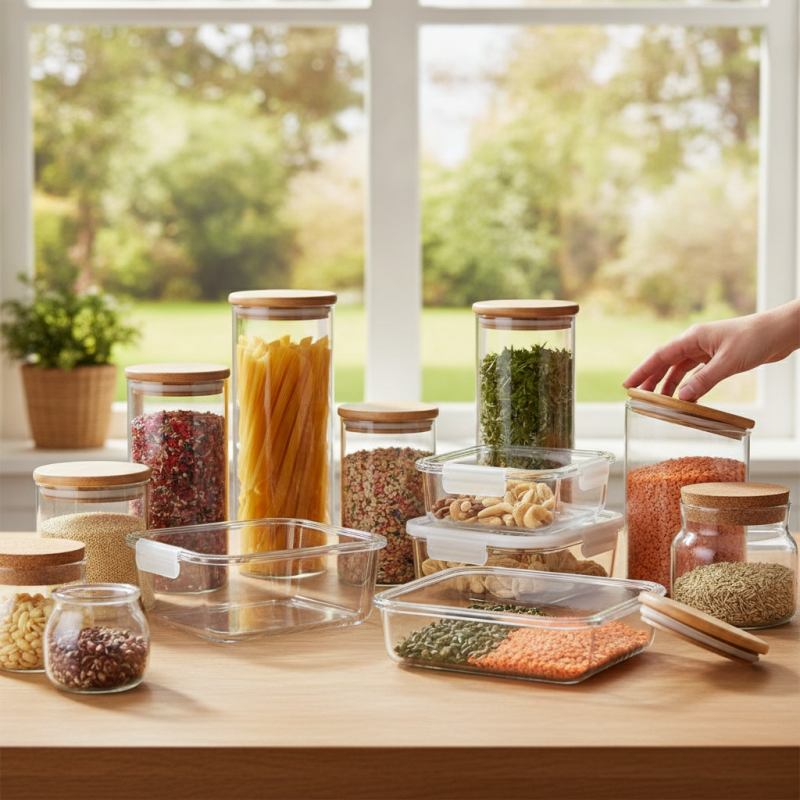
When sourcing glass kitchen storage containers wholesale, identifying reliable suppliers is crucial. Begin by researching potential suppliers online. Check their websites for detailed product information and customer testimonials. Look for signs of credibility, such as years of experience in the industry or certifications.
Next, reach out to the suppliers. Ask about their sourcing practices and quality controls. A reliable supplier should be open about their processes. Compare responses from different suppliers to gauge their transparency. Pay attention to communication. Quick and clear responses are often indicative of a professional supplier.
Consider visiting suppliers if possible. Seeing the operations firsthand can provide valuable insights. Take note of their working conditions and workforce. Unreliable suppliers may cut corners, affecting product quality. Reflection on these experiences can guide future sourcing decisions. Remember, establishing a long-term relationship with a reliable supplier can enhance your business significantly.
This chart displays the quality ratings of five different suppliers for glass kitchen storage containers, based on a 1-10 scale. It helps in visually assessing the best options for wholesale sourcing.
Assessing the quality standards in glass kitchen storage containers is essential for wholesale sourcing. Ensure that the glass is durable and resistant to thermal shock. Functional design matters too. Look for containers with airtight seals to prevent spills. Consider options that are dishwasher-safe for convenience.
When sourcing, observe the clarity and finish of the glass. Imperfections can indicate poor manufacturing. Testing the containers for weight can reveal if they are sturdy. If they feel too light, they might not withstand daily use.
Pay attention to certifications. Look for compliance with food safety standards. This ensures the glass is safe for food storage. Understanding the sources and production practices of suppliers also strengthens your sourcing strategy. Building relationships with reliable suppliers fosters trust over time. Regular quality checks can help maintain high standards.
When it comes to sourcing glass kitchen storage containers, understanding bulk order pricing is crucial. Many suppliers offer discounts based on order size. For instance, an industry survey from the National Association of Wholesalers indicates that bulk purchasing can save businesses up to 30%. This significant reduction makes a compelling case for purchasing in larger quantities. However, it is essential to evaluate whether the upfront investment is justified by the savings.
Pricing strategies vary widely among suppliers. Some may offer tiered pricing, while others use flat discounts for orders exceeding a certain threshold. A report from the International Glass Association reveals that businesses often overlook potential savings through negotiations. Many vendors are open to discussing prices based on long-term purchasing commitments. Establishing a good relationship can also lead to better terms.
Accurate cost calculations require careful consideration of shipping fees and handling. These costs can erode savings if not properly accounted for. It is beneficial to request detailed quotations that include all relevant expenses. Moreover, companies may experience challenges in maintaining quality when opting for lower-cost suppliers. Balancing price with product quality is vital for long-term success in sourcing glass kitchen storage containers.
When sourcing glass kitchen storage containers, consider the design varieties available. Clear glass offers visibility for contents, while colored glass adds a decorative touch. Shapes vary from cylindrical jars to rectangular containers, catering to different storage needs. Think about how the design complements your kitchen aesthetics.
Functional features play a crucial role in the usability of glass containers. Look for airtight seals to keep food fresh longer. Some containers are microwave-safe for convenience. Others come with stackable designs, maximizing storage space. Keep an eye out for options that are dishwasher-safe for easy cleaning.
Tip: Assess the size of your target market. Smaller containers are great for spices, while larger ones suit bulk items. Design and function must meet customer expectations. Regularly review customer feedback to refine your offerings. This helps build trust in your brand and products.
When sourcing glass kitchen storage containers wholesale, shipping and delivery options are crucial. Evaluating these options carefully can save time and money. Consider the shipping methods available. Some suppliers may offer express shipping, which is faster but often more expensive. Weigh the urgency of your needs against your budget.
Another aspect is the delivery times. Some vendors provide estimated delivery dates, but these can sometimes be inaccurate. Always ask for a tracking option. This transparency is essential for managing your inventory correctly. Look for suppliers with good reviews on their delivery process. A reliable supplier will consistently meet promised timelines.
Tip one: Always verify shipping costs. Hidden fees can inflate your total expenses. Tip two: Check if the supplier offers bulk discounts on shipping. This can significantly reduce your overall spending. Finally, keep communication open. Sometimes, delays can happen, and knowing where your order stands is vital. Trustworthy suppliers will provide timely updates about any changes.
| Tip | Details | Shipping Method | Estimated Delivery Time | Cost Estimate |
|---|---|---|---|---|
| Research Suppliers | Find reliable manufacturers with good reviews. | Air Freight | 3-7 days | $200-$500 |
| Request Samples | Evaluate quality before bulk purchase. | Express Delivery | 2-5 days | $50-$150 |
| Negotiate Prices | Ask for discounts on bulk orders. | Sea Freight | 2-4 weeks | $100-$300 |
| Check Shipping Policies | Understand terms for damages or delays. | Freight Forwarding | 1-3 weeks | $150-$400 |
| Plan for Customs | Prepare documents for import clearance. | Standard Shipping | 4-8 weeks | $200-$600 |
: Research suppliers online. Check their product info and customer reviews. Look for industry experience and certifications.
Inquire about their sourcing methods and quality control processes. Transparency in their operations indicates reliability.
Yes, visiting helps assess their operations and working conditions. This can reveal potential quality issues.
Suppliers often provide discounts based on order size. Larger orders can save businesses significantly, up to 30% in some cases.
No, pricing varies. Some may use tiered systems, while others offer flat discounts after a certain amount.
Yes, many vendors welcome negotiations, especially for long-term commitments. Building relationships can improve terms.
Factor in shipping and handling fees. These can diminish your savings if not included in the total cost.
Opting for cheaper suppliers may compromise product quality. Balancing cost with quality is essential for success.
Consider the conditions observed. Were there signs of neglect that could affect quality? Your experiences can inform future decisions.
Businesses often overlook potential savings and fail to negotiate. Reflect on previous orders to improve future sourcing.
Sourcing glass kitchen storage containers wholesale can significantly enhance your business's offerings while ensuring customer satisfaction. To begin, it's crucial to identify reliable suppliers that adhere to quality standards for glass products. Assessing the quality of the containers ensures durability and safety for consumers, which can lead to repeat business.
In addition, understanding bulk order pricing and any available discounts can improve your profit margins while exploring various design options and functional features can meet diverse consumer needs. Finally, evaluating shipping and delivery options for wholesale orders is essential to maintain inventory flow and customer satisfaction. By following these tips, you can successfully navigate the wholesale market for glass kitchen storage containers and maximize your investment.
