In today's busy kitchen environment, efficient organization is key to reducing food waste. Glass leftover storage containers are an excellent solution. According to a report by the Food Waste Reduction Alliance, approximately 40% of food in the United States is wasted. This staggering figure highlights the importance of effective food storage solutions in preserving leftovers.
Glass leftover storage containers not only help keep food fresh but also cater to growing health concerns. Research from the Glass Packaging Institute shows that consumers increasingly prefer glass due to its non-toxic and environmentally friendly properties. Unlike plastic, glass doesn't leach harmful chemicals into food. As a result, using these containers can significantly contribute to better food safety.
Despite their advantages, glass containers do have drawbacks. They can be heavier and more fragile than plastic options, raising concerns about practicality. Some users struggle with finding the perfect size for daily needs. Nonetheless, investing in quality glass leftover storage containers can enhance kitchen organization and contribute to a sustainable lifestyle.
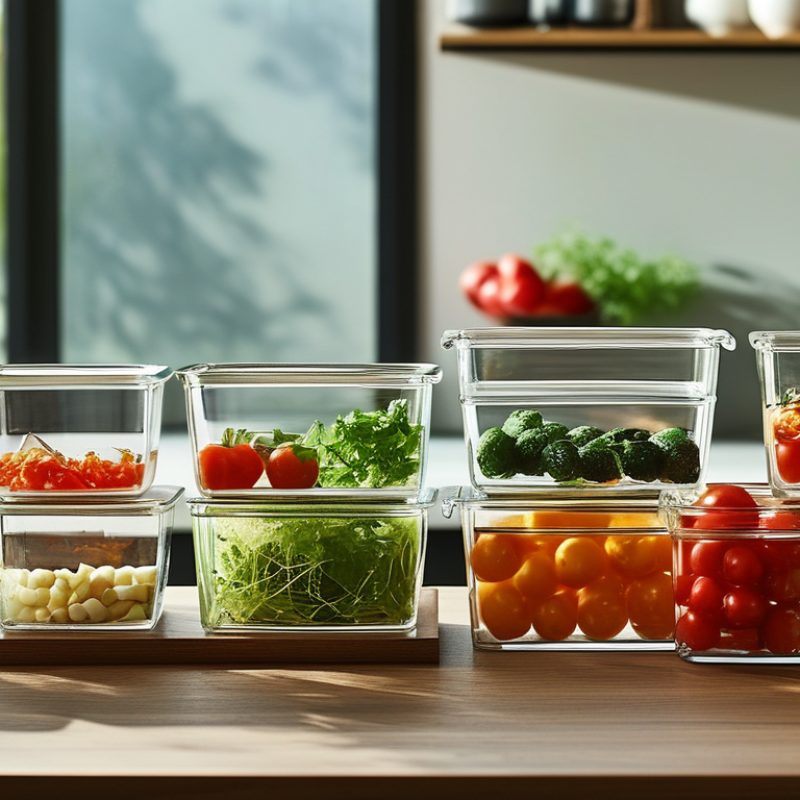
Benefits of Using Glass Storage Containers for Leftovers
Glass storage containers offer numerous benefits for leftover organization. They are more durable than plastic, providing a safer option for meal storage. According to a study by the International Journal of Environmental Research and Public Health, glass containers are less likely to leach harmful chemicals into food. This makes them a healthier choice for families looking to minimize exposure to toxins.
Another advantage is their thermal resistance. Glass can withstand extreme temperatures, allowing for both cooking and reheating. Research shows that glass containers maintain food freshness effectively. In an evaluation by the Food Science Journal, glass was found to be superior in preventing moisture loss compared to plastic. This ensures that your leftovers taste as good as they did when first prepared.
While glass storage containers have many advantages, they can be heavy and breakable. Many individuals struggle with storing them due to their fragility. Careful handling is essential, which can make day-to-day use challenging for some families. Despite these potential downsides, the benefits often outweigh the drawbacks, especially for those focused on health and environmental sustainability.
Factors to Consider When Choosing Glass Storage Containers
When selecting glass storage containers, several factors are crucial for making an informed choice. The size of the container plays a significant role. If you often prepare meals in bulk, opt for larger containers. These will save you space and reduce clutter in your kitchen. Smaller containers, on the other hand, are ideal for snacks or portioned meals. Ensure that containers come in various sizes to suit different storage needs.
Another important factor is the lid type. Airtight seals are essential for keeping food fresh longer. If a container doesn't close properly, it can lead to spoilage. Look for lids that are easy to open yet secure enough to prevent leaks. Additionally, glass containers should be durable and safe for use in the microwave or oven. This versatility adds convenience to meal prep.
Consider the weight of the containers too. Lighter glass may be easier to handle, especially for those with limited strength. However, ensure that the glass is still thick enough to resist breakage. Sometimes, the search for the perfect container leads to frustration. It's essential to reflect on actual needs versus over-buying on impulse. Keeping it simple can often lead to the best storage solutions.
Top Features to Look for in Glass Leftover Storage Solutions
When choosing glass leftover storage containers, consider durability as a key feature. Look for thick, tempered glass that can withstand high and low temperatures. This ensures that your containers won’t crack easily, even in the fridge or microwave. A reliable container should also have a secure, airtight lid. This helps prevent spills and keeps food fresh for longer periods.
Versatility is another important aspect. Some containers come with multiple sizes and shapes, making them ideal for different types of food. Smaller containers work well for sauces or snacks, while larger ones are perfect for meal prep. Consider stacking options, too; they save space in your kitchen.
It’s essential to be mindful of the ease of cleaning. Some glass containers are dishwasher-safe, which can save time. However, if you prefer hand washing, check for smooth edges. On the downside, glass containers can be heavier than plastic ones. Reflecting on your needs will help you make a better choice. Balancing these factors ensures your food storage is both efficient and reliable.
Creative Ways to Organize Your Leftover Containers
Efficient organization of leftover containers can significantly impact kitchen workflow. Many households struggle with storage solutions. According to industry reports, nearly 60% of users expressed frustration over cluttered storage areas. One creative way to tackle this problem is through clear labeling. Use stickers or markers to identify contents and dates. This approach not only streamlines access but also helps reduce food waste.
Another effective method is nesting containers. This technique allows for better space utilization. Consider using a variety of sizes that fit within each other. Experts in kitchen organization suggest that this practice can save up to 40% of storage space. Open shelves can also play a role in visibility. Keeping containers within reach encourages usage and reduces the chances of forgotten leftovers.
Utilizing drawer dividers and bins can further enhance organization. They help categorize containers by size or purpose. Many individuals find it challenging to maintain this system over time. Regularly reassessing and decluttering can make a noticeable difference. Aim to keep only what you use frequently. This can lead to less chaos and more efficiency in daily meal preparation.
Top Glass Leftover Storage Containers for Efficient Organization
| Container Type |
Size (L) |
Purpose |
Features |
| Square Container |
1.5 |
Meal Prep |
Stackable, Airtight Lid |
| Round Container |
2.0 |
Salads |
Microwave Safe, BPA Free |
| Rectangular Container |
3.0 |
Leftovers |
Dishwasher Safe, Stackable |
| Mini Container |
0.5 |
Snacks |
Airtight, Portable |
| Large Container |
4.5 |
Batch Cooking |
Oven Safe, Durable Glass |
Maintaining and Cleaning Glass Storage Containers for Longevity
Cleaning glass storage containers regularly is essential for their longevity. Start by rinsing each container with warm water to remove any residual food. For stubborn stains, a mixture of vinegar and baking soda can work wonders. This natural solution not only cleans but also deodorizes.
When drying glass containers, avoid using abrasive materials that might scratch the surface. Instead, opt for a soft cloth or towel. Proper stacking methods can help save space in your kitchen. Ensure containers are completely dry before sealing them to prevent moisture buildup.
Remember that even glass can develop chips over time. Regularly inspect your containers for any signs of wear. If you notice damage, it’s safer to replace them. This simple maintenance ensures your glass storage remains effective and hygienic for years.
FAQS
: Larger containers are suitable for bulk meal prep. Smaller containers work well for snacks or portioned meals.
Airtight lids keep food fresh. Poor closures can lead to spoilage, affecting food quality.
Yes, choose containers labeled microwave-safe. This ensures they won't break or release harmful substances.
Lighter glass is easier to handle. Ensure it's thick enough for durability and break resistance.
Look for dishwasher-safe options. Smooth edges also make hand washing simpler and more efficient.
Reflect on your actual needs. Focus on size and type for efficient storage rather than impulse purchases.
Yes, many glass containers are stackable. This feature optimizes space in your kitchen and improves organization.
Thick, tempered glass withstands temperature changes. This prevents cracking when storing in the fridge or microwave.
Yes, versatile shapes and sizes support various foods. They also simplify meal planning and storage efficiency.
Secure seals prevent spills and maintain freshness. This ensures food stays good for longer periods and reduces waste.
Conclusion
Glass leftover storage containers have become a popular choice for efficiently organizing meals and reducing food waste. The benefits of using these containers include their durability, non-toxic material, and airtight seals that keep food fresh for longer. When selecting glass storage containers, important factors to consider are size, shape, and the type of lid, as they can significantly impact how well the containers stack and fit in your refrigerator or pantry.
In addition to practicality, the right features can enhance your experience with glass leftover storage containers. Look for options that are microwave, dishwasher, and oven-safe for added convenience. Creative organization methods, such as labeling and stacking, can further streamline your food storage. Regular maintenance and proper cleaning techniques will ensure the longevity of your glass containers, keeping them efficient and appealing for years to come.

