
2026 How to Choose the Best Wholesale Glass Food Containers?

Time:2026-06-26 Author:Madeline
0%

In the thriving market of wholesale glass food containers, careful selection is essential. According to a recent industry report by Transparency Market Research, the demand for glass food containers is projected to grow at a CAGR of 5.2% through 2026. This reflects a growing consumer preference for sustainable and reusable packaging options. Expert Linda Gray, a renowned authority in packaging solutions, states, "Choosing the right glass containers can enhance food preservation and reduce waste."

When evaluating wholesale glass food containers, it's crucial to consider factors like durability, design, and price. Many suppliers offer various options, but not all meet quality standards. An article in Packaging Digest highlights that nearly 30% of businesses face challenges in sourcing reliable products. This suggests a need for careful research and trustworthy partnerships in the wholesale market.

Making informed decisions can significantly impact both business success and customer satisfaction. Understanding key attributes of wholesale glass food containers not only supports operational needs but also aligns with eco-conscious consumer preferences. As the market evolves, retailers must remain vigilant and innovative in their choices. The future of sustainable packaging relies on these choices.
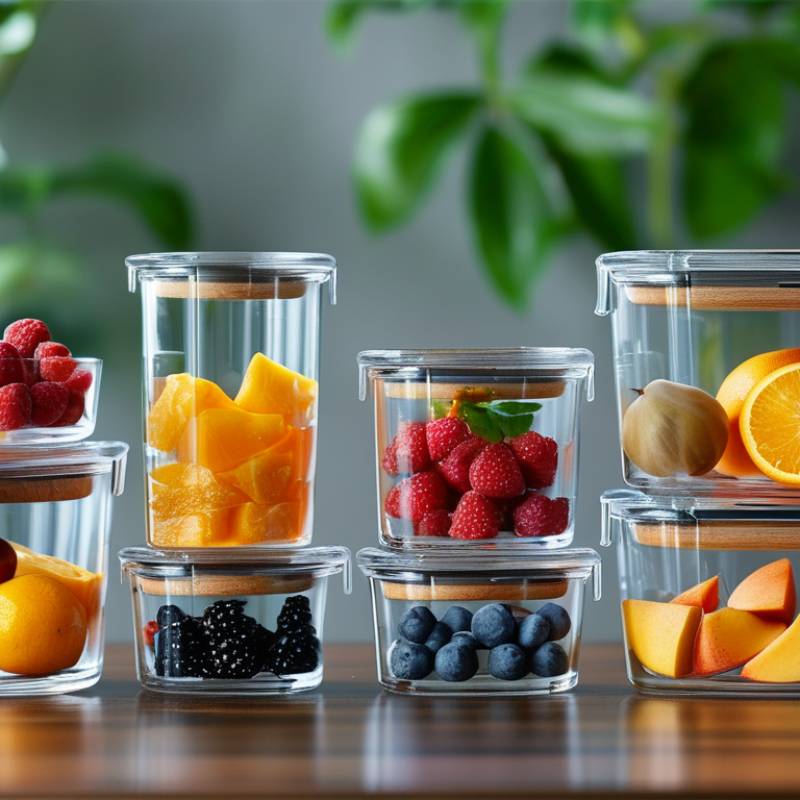
2026 How to Choose the Best Wholesale Glass Food Containers?

Understanding the Importance of Quality in Wholesale Glass Food Containers

When selecting wholesale glass food containers, quality is paramount. High-quality containers not only ensure food safety but also help maintain freshness. Poor quality glass may crack or chip easily, exposing contents to potential contamination. Therefore, assessing materials is essential. Look for containers made from durable, high borosilicate glass, which is known for its heat resistance and sturdiness.

Tips for evaluating quality include inspecting the thickness of the glass and checking for any imperfections. Quality containers should have a smooth finish without cracks or sharp edges. Avoid overly lightweight options, as they may compromise safety. Reliable suppliers often provide detailed information about their manufacturing processes, which can be a good indicator of quality.

Remember, a bad decision now could lead to wasted food and money later. Assess how the containers seal. A poor seal may allow air and moisture in, leading to spoilage. Take time to explore customer reviews. They can reveal insights into the product's long-term performance. Prioritize your choices carefully to ensure the best results for your needs.

Key Features to Look for in Glass Food Containers

When choosing glass food containers, consider key features that define quality and functionality. The material should be borosilicate glass, known for its durability. According to industry reports, borosilicate glass withstands temperature changes better than regular glass. This means your containers will not break as easily during cooking or transitioning from freezer to oven.

Look for airtight lids. A good seal prevents leakage and keeps food fresh longer. Research indicates that containers with silicone seals can offer better protection against spills. Check if the lids are easy to clean. Some materials retain food odors or stains. User reviews often highlight this concern, emphasizing the importance of choosing easy-to-maintain options.

External factors can influence your choice as well. The capacity and size should suit your needs. A 2022 survey noted that consumers often prefer a variety of sizes to store leftovers and meal prep effectively. Remember, not all glass containers are designed for microwave use. Always check the labels. Making an informed choice is crucial for both convenience and safety.

Key Features to Look for in Glass Food Containers

Comparing Different Types of Glass Food Containers Available Wholesale

When choosing wholesale glass food containers, it’s essential to compare the types available. Different styles serve various purposes. For example, jars with airtight lids are great for storing dry goods. They help in preserving freshness and extending shelf life. On the other hand, glass containers with fitted lids are useful for meal prep.

Consider the size of the containers you need. Smaller sizes are perfect for snacks or sauces. Larger containers are ideal for bulk storage. Mixing various sizes in your collection can offer versatility. The weight of glass is another aspect to ponder. Heavier glass might be more durable but can also be cumbersome to handle.

Tips: Look for tempered glass options. They withstand temperature changes and are less likely to break. Check for BPA-free seals to ensure safety. Always read reviews for insight into quality. When evaluating costs, remember that investing in durable containers saves money long-term.

Evaluating Pricing Strategies for Wholesale Glass Food Containers

When selecting wholesale glass food containers, pricing strategies play a crucial role. It's essential to evaluate various pricing models. Some suppliers may offer bulk discounts or tiered pricing based on quantity. Understanding these factors can lead to significant savings.

Investigate the cost structures of different wholesalers. Fixed prices can offer predictability. However, variable pricing may change based on market demand. This variability requires careful consideration. Analyze whether you value stability or flexibility in pricing.

Be mindful of potential hidden costs too. Shipping fees and handling charges can add up. These factors may skew the perceived value of a deal. It’s important to ask questions and seek transparency. This approach fosters trust and reliability in your partnerships.

Exploring Sustainable Options for Eco-Friendly Glass Food Containers

When choosing glass food containers, sustainability plays a crucial role. Many consumers are now aware of the environmental impact of plastic waste. Glass, being recyclable and reusable, poses a cleaner alternative. Eco-friendly glass containers help reduce reliance on single-use plastics. They come in various sizes, making them versatile for storage and meal prep.

It's essential to consider the sourcing of the glass materials. Higher-quality glass options are often made from sand, soda, and limestone, which have less impact on the planet. Look for manufacturers that emphasize eco-conscious designs, such as containers with minimal packaging. While many glass products are durable, be mindful of the potential for breakage. Storing them safely can require extra thought and care.

In exploring eco-friendly choices, remember that the adoption of glass containers can take time. The shift from plastic to glass might feel overwhelming. However, every small step counts. Transitioning gradually can lead to significant positive changes in your lifestyle. Investing in quality glass containers not only benefits your health but also reflects a commitment to protecting the environment.

FAQS

: Why is quality important in glass food containers?

: Quality ensures food safety and freshness. Poor quality can lead to cracks and contamination.

What material should I look for in glass containers?

High borosilicate glass is ideal. It is durable and heat-resistant.

How can I evaluate the quality of glass containers?

Inspect glass thickness and look for imperfections. Smooth finishes are essential.

What features should glass food containers have?

Look for airtight lids and easy-to-clean surfaces. They prevent leaks and odors.

Are lightweight glass containers safe?

Overly lightweight options may not be safe. They can compromise strength and security.

How does the seal affect food storage?

A poor seal allows air and moisture in, leading to spoilage. Quality seals are crucial.

What should I consider about container sizes?

Choose sizes that fit your needs. Variety helps with leftovers and meal prep.

Can all glass containers be used in the microwave?

No, not all can. Always check labels for microwave safety.

Why are customer reviews important?

Reviews provide insights into long-term performance and potential issues.

What happens if I choose poor quality containers?

Poor choices may lead to wasted food and money. Reflect on your options carefully.

Conclusion

When selecting wholesale glass food containers, understanding the importance of quality is paramount. High-quality containers ensure food safety, durability, and longevity, making them a worthwhile investment for businesses. Key features to consider include airtight seals, resistance to thermal shock, and easy-to-clean designs. Different types of wholesale glass food containers, such as jars, meal prep containers, and storage bins, offer varying benefits, catering to diverse needs.

Additionally, it's crucial to evaluate pricing strategies when sourcing these containers, as price can significantly impact profitability. Many wholesalers now also offer sustainable options that appeal to eco-conscious consumers, allowing businesses to promote environmentally friendly practices. By carefully considering these factors, businesses can make informed choices that enhance their product offerings and meet consumer demands for quality and sustainability in wholesale glass food containers.

Madeline

Madeline

Madeline is a dedicated marketing professional with a wealth of expertise in our company's core offerings. With a keen understanding of the industry, she brings a unique perspective to her role, consistently delivering high-quality content that highlights the superior aspects of our products. As......