
Finding cheap glass food containers in 2026 takes more than spotting a low price. A bargain set should fit your meals, cupboard space, and weekly routine. Check the price per container, not just the price on the box. Then look closely at capacity, lid fit, glass thickness, and whether replacement lids are available. A five-piece set may cost less, but it is poor value if two lids crack after a month.
This guide compares practical buying options, including supermarket promotions, online listings, and multipacks. It also explains what product descriptions often leave out. For example, a container may be microwave-safe while its lid is not. Glass can chip if dropped, too. Small details matter.
I can’t verify a named industry expert’s quotation from the material provided, so I won’t invent one. That matters. A made-up endorsement could mislead readers and weaken trust. Before publication, add a directly sourced comment from a packaging or food-storage specialist, with the person’s name and source. Meanwhile, use this guide to compare clear details: dimensions, stated materials, included lids, shipping costs, and return terms. One imperfect rule is worth remembering: the cheapest listing is not always the cheapest choice after delivery or replacement parts. Look for useful value, not just a bright discount label.
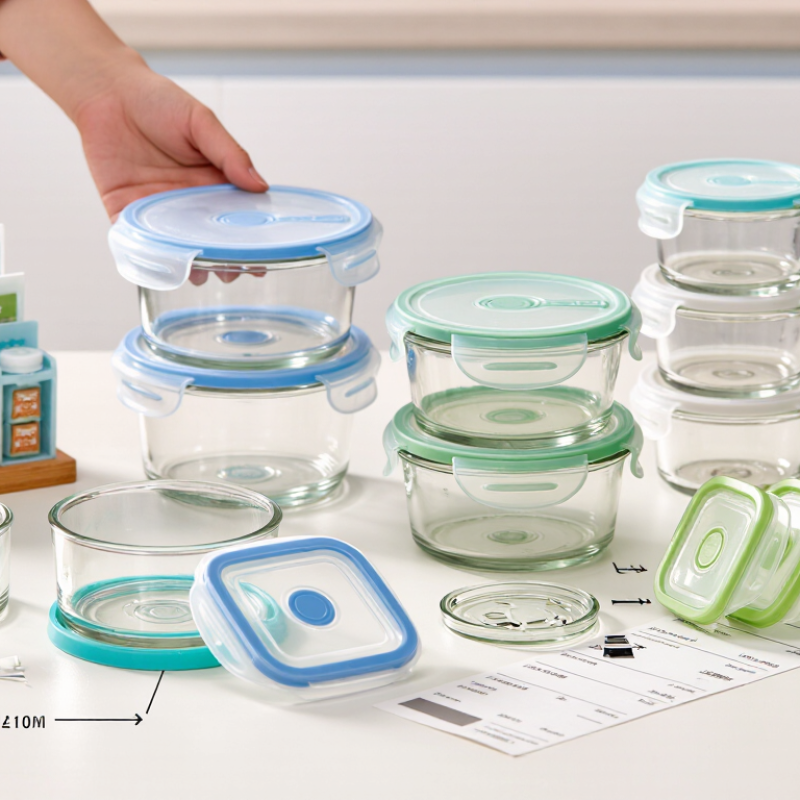
In 2026, a cheap glass food container is only a bargain if it fits your routine. Check what you store most: a single lunch, leftover soup, or several portions of roasted vegetables. A 2-cup container suits snacks and small sides, while larger sizes handle meals. Measure your fridge shelf and lunch bag before ordering. Measure twice. A tall container may hold plenty but waste space beneath a low shelf.
Shape matters, too. Rectangular containers usually stack neatly and use shelf space well; round ones work nicely for soups or sauces, though they can leave awkward gaps. Look for lids that close securely and are easy to wash. If you pack food often, a set with compatible lids can prevent the familiar search for a missing top. Check whether the lid is dishwasher-safe, and follow the maker’s heating instructions rather than assuming every part can go in an oven or microwave.
Compare the price per container, not just the advertised set price. A smaller set with sizes you will actually use may be better value than a large bundle of odd shapes. Inspect product details for glass thickness, lid material, and replacement availability. Those details can be easy to overlook when a sale looks good. I still think “more pieces” sounds like better value; it isn’t always. Choose a practical mix, and leave a little room for trial and error.
The examples below show common container formats and approximate U.S. budget-retail prices per container when bought in multipacks. Prices vary by seller, pack size, and included lids; check the product’s care instructions before heating.
| Common format | Typical capacity | Approx. dimensions | Best suited for | Useful features to check | Indicative budget price |
|---|---|---|---|---|---|
| Small rectangular | 1–2 cups (240–475 mL) | About 5 × 4 × 2 in (13 × 10 × 5 cm) | Snacks, dips, and small leftovers | Stackable shape; lid with a secure, even fit | About $2–$5 each in a multipack |
| Medium rectangular | 3–5 cups (710 mL–1.2 L) | About 7 × 5 × 2.5 in (18 × 13 × 6 cm) | Single portions, lunch, and side dishes | Flat sides for efficient refrigerator storage; removable lid seal if easy cleaning matters | About $3–$7 each in a multipack |
| Large rectangular | 6–9 cups (1.4–2.1 L) | About 9 × 7 × 3 in (23 × 18 × 8 cm) | Meal prep, casseroles, and family-sized leftovers | Broad opening for serving; verify oven-safe temperature for the glass body | About $5–$10 each in a multipack |
| Round, shallow | 2–4 cups (475–950 mL) | About 6–7 in diameter × 2 in high (15–18 × 5 cm) | Salads, cut fruit, and reheating portions | Wide opening for easy scooping; check whether the lid is leak-resistant | About $3–$8 each in a multipack |
| Small square | 1–3 cups (240–710 mL) | About 5 × 5 × 2 in (13 × 13 × 5 cm) | Compact portions and neatly organized shelves | Nesting or stacking design; compare usable interior space, not just outer size | About $2–$6 each in a multipack |
| Tall round or cylindrical | 3–6 cups (710 mL–1.4 L) | About 5–6 in diameter × 4–6 in high (13–15 × 10–15 cm) | Soups, grains, and upright refrigerator storage | Lid designed for liquid storage; leave headspace when freezing | About $4–$9 each in a multipack |
Buying tip: For the lowest cost per container, compare multipack prices and included sizes. Glass may be oven- or microwave-safe, but plastic lids generally are not; avoid sudden temperature changes and follow the maker’s care guidance.
Match capacity to your usual portions. A 2-cup container can hold snacks or small sides. Measure your fridge shelf and lunch bag, too.
Rectangular containers usually stack neatly and use shelf space well. Round ones suit soup or sauce, but may leave awkward gaps. It depends.
It generally handles temperature changes better than standard soda-lime glass, but may cost more. Check the stated temperature limits before heating or freezing.
Look for clear care instructions and a secure fit. Silicone seals may help prevent leaks, but appearance alone proves little. Test with water over the sink.
No. Check the maker’s instructions for the glass and lid separately. “Oven-safe” does not necessarily mean safe from freezer to hot oven.
Compare useful sizes, included lids, glass thickness, and replacement availability. Count usable containers, not just advertised pieces. More pieces can still mean less value.
Add shipping and fees, then divide the total by the number of usable containers. Compare similar capacities and dimensions. A sale label proves little.
Check recent reviews for chipped corners, loose lids, and damaged packaging. Read return terms and listed dimensions. Photos can hide small flaws.
Finding cheap glass food containers in 2026 starts with choosing sizes, shapes, and features that match your meals and storage space. Consider whether you need single portions, larger dishes, stackable designs, or containers suitable for both reheating and storing food. Compare glass types, lid materials, sealing styles, and set sizes, since a lower price may not offer the best value if the containers do not meet your everyday needs.
Search several retailers and online marketplaces to compare prices, but check safety information, customer reviews, and return policies before buying. Also look closely at the total cost, including shipping, taxes, and any extra fees. A set with a slightly higher listed price may be the better deal if it includes useful sizes, durable lids, and dependable return options. Taking time to compare these details can help you find affordable containers that are practical, safe, and suited to your routine.
