
In the quest for safer food storage, glass food containers stand out. These containers are not only practical but also offer numerous health benefits. They are made from non-toxic materials, ensuring that no harmful chemicals leak into your food. Many consumers struggle with plastic containers, which can degrade over time and may leach chemicals.
Glass food containers are durable and resistant to scratches. They can withstand high temperatures, making them perfect for reheating meals. This versatility appeals to busy individuals who seek efficient solutions. Using glass also encourages mindful consumption and reduces dependency on single-use plastics.
However, some may find glass food containers heavier than plastic ones. This can be an inconvenience when packing lunches or meal prepping. While glass containers may require careful handling, this minor setback is outweighed by their long-term benefits. Investing in glass food containers means prioritizing health and sustainability in your kitchen.
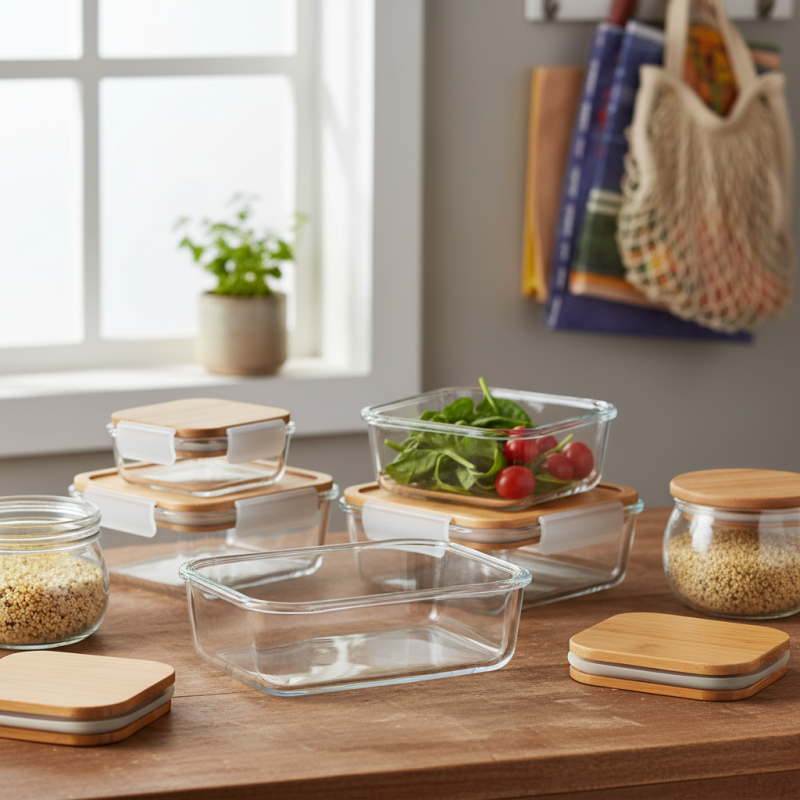
When it comes to food safety, glass food containers offer several notable advantages. Unlike plastic, glass does not leach harmful chemicals into food. This is crucial for preserving the quality and safety of your meals. Glass containers maintain their integrity, even when subjected to heat or pressure. Many people may overlook this and continue using plastic, unaware of the risks.
Another benefit of glass containers is their ability to resist stains and odors. Foods like tomato sauce or garlic can leave lingering smells in plastic. Glass, however, remains neutral, ensuring a fresh taste for every meal. You may find that even after multiple uses, your glass containers are easy to clean and don’t retain flavors.
However, people might worry about glass breaking. This is a valid concern, but modern glass products often include borosilicate glass for enhanced durability. While accidents can happen, mindful handling can significantly reduce risks. It’s worth reflecting on how often we prioritize convenience over safety. Choosing glass containers means making a commitment to better food storage practices.
Glass food containers are increasingly favored for their durability and reusability. According to a 2022 report by the Food Industry Association, glass is twice as durable compared to plastic in terms of longevity. This is particularly significant for households that prioritize sustainability. Unlike plastic containers, glass does not degrade over time, ensuring your food remains safe longer.
The versatility of glass storage solutions adds to their appeal. They can withstand temperature changes, making them ideal for both freezing and heating foods. A study from the National Institute of Health indicates that using glass reduces the risk of chemical leaching, a concern with many plastic containers. This shift towards glass reflects a growing awareness of health impacts and environmental challenges.
However, glass containers do have some limitations. They can be heavier than plastic, making them potentially cumbersome for some users. Additionally, if dropped, they shatter easily, presenting safety issues. Consumers must weigh these factors against the benefits. Understanding these trade-offs is essential when choosing the best food storage solutions for your home.
This chart illustrates the advantages of glass food containers, highlighting their durability over years, reusability in multiple uses, and eco-friendliness through recycling capabilities.
When it comes to food storage, glass containers are superior to plastic alternatives in many ways. Glass is non-toxic and doesn’t leach harmful chemicals into your food. This is especially crucial for hot foods and liquids. Many people overlook this aspect, believing that all containers are safe. In reality, not all plastics are created equal.
Durability is another critical factor. Glass containers are often more resistant to scratching and staining than their plastic counterparts. They also handle temperature changes better. While glass may break if dropped, the overall resilience to wear makes it a long-term investment. Many households find that glass containers maintain their clarity and effectiveness far longer than plastic, which can degrade over time.
Storage efficiency is important too. Glass containers often come in various shapes and sizes, allowing for better organization. They can be stacked easily, saving space in your kitchen. In contrast, plastic containers may warp and become unusable after repeated heating or cooling. While glass can be heavier, the benefits often outweigh the drawbacks. It’s worth reflecting on personal habits and choices regarding food storage. Opting for glass may require a slight shift in mindset but can lead to better health and sustainability over time.
When it comes to food preservation, glass food containers excel in maintaining freshness. Glass is non-reactive, so it won't leach harmful chemicals into your food. Unlike plastic, glass won't absorb odors or stains, keeping your meals tasting as they should. This quality helps preserve flavors and nutrients, making your dishes more enjoyable.
Tips for storing food in glass containers include allowing food to cool before sealing. This prevents condensation, which can lead to spoilage. Always check the lid seals properly; an airtight seal maintains freshness longer. Keep your glass containers organized in the fridge, labeling items for easy access.
Glass is also an eco-friendly option. It's recyclable and reduces the need for single-use plastics. However, glass can be heavy and breakable. So, handle with care to avoid potential accidents. Consider using smaller glass containers for daily meals to minimize the risk of breakage. These practical steps can enhance your food storage experience while keeping your meals safe and fresh.
Using glass food containers for storage comes with notable eco-friendly benefits. Glass is a sustainable material. Unlike plastic, glass does not leach harmful chemicals into food. This makes it a safe choice for all types of food items. Additionally, glass containers can be reused indefinitely, reducing waste over time. When you choose glass, you contribute to a healthier planet.
Here are some tips for using glass containers effectively. Always allow hot foods to cool before sealing them in glass. This prevents thermal shock. You can also incorporate glass containers into your meal prep. They allow you to prepare large batches and store them easily. Another tip: choose clear glass to easily identify contents. This prevents food waste and helps maintain freshness.
While glass is recyclable, not all methods are equally effective. Some glass packaging may not
be accepted in local programs. Always check local guidelines. Breaking glass is another concern; use care during handling. Make sure to inspect containers regularly for chips and cracks. This ensures safe storage for your food items. Glass is a reliable option, but be mindful of its limitations.
: Glass containers do not leach harmful chemicals and resist stains. They preserve food quality and safety.
Yes, glass maintains freshness by being non-reactive. It does not absorb odors or stains from food.
Allow food to cool before sealing to prevent condensation. Check that the lid seals properly for freshness.
Yes, glass is recyclable and reduces reliance on single-use plastics, promoting an eco-friendly lifestyle.
Yes, glass can break. However, using borosilicate glass and mindful handling can reduce this risk.
Label items for easy access and keep containers organized in the fridge. This enhances your storage experience.
Many choose plastic for convenience, but they overlook potential health risks associated with chemicals in plastics.
No, glass does not retain flavors, ensuring each meal tastes fresh and untainted by previous contents.
Larger containers can be heavy and more prone to breakage. Smaller containers may be safer for daily meals.
Glass containers can be breakable and heavier than plastic. Reflect on how this affects your storage choices.
Glass food containers offer a myriad of benefits for safe food storage, primarily due to their non-toxic nature and resistance to leaching. Unlike plastic, glass does not contain harmful chemicals that can seep into food, making it a safer option for preserving freshness and flavor. Additionally, these containers are remarkably durable and reusable, standing up to repeated use while maintaining their integrity, which further contributes to their eco-friendly appeal.
When comparing glass food containers to plastic alternatives, it is evident that glass excels not only in safety but also in its impact on food preservation. The impermeability of glass helps keep food fresher for longer, free from odors and stains, ensuring that meals remain delicious and nutritious. Adopting glass storage solutions is not only a choice for better health but also a sustainable step toward reducing plastic waste in our environment.
