
How to Choose the Best Glass Kitchen Storage Containers?

Time:2026-07-17 Author:Charlotte
0%

Choosing the right glass kitchen storage containers can significantly enhance your cooking and food storage experience. Renowned kitchen expert Sarah Thompson emphasizes, “Quality storage starts with the right materials.” This insight reflects the importance of choosing durable and safe options for food storage.

Glass kitchen storage containers offer numerous benefits. They are non-toxic, easy to clean, and often more aesthetically pleasing than plastic alternatives. It's essential to consider factors like size, lid type, and whether they are microwave-safe. Each feature can impact your kitchen organization and meal prep. Not all containers are created equal. Some may not provide airtight seals, leading to stale food.

Investing time in selecting ideal glass kitchen storage containers is worthwhile. Take a moment to reflect on your cooking habits. Think about how certain containers may not meet your needs or could improve your kitchen's efficiency. Ultimately, the right choice will enhance your culinary adventures.
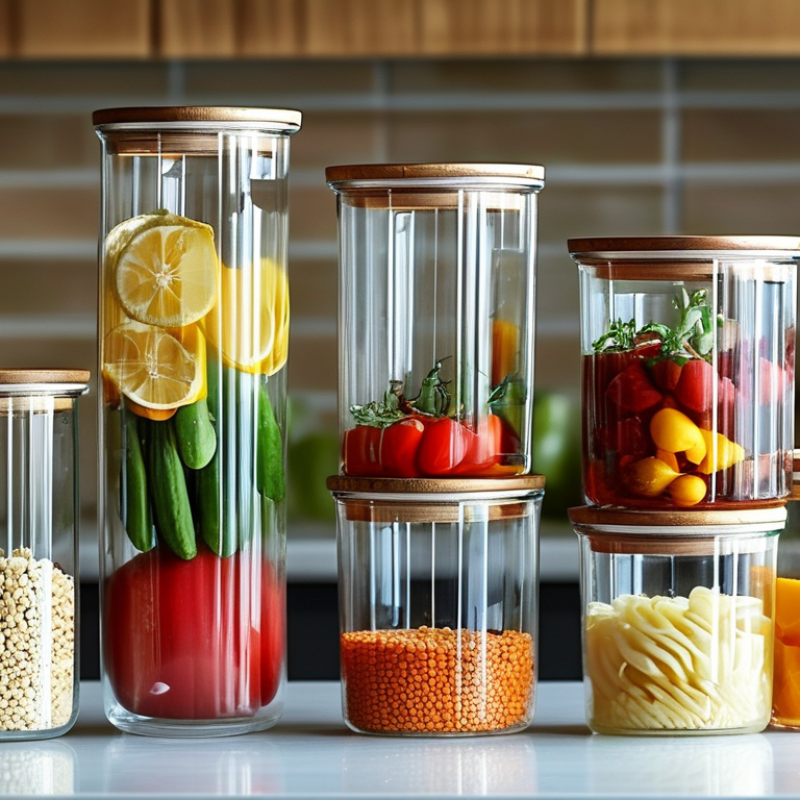
How to Choose the Best Glass Kitchen Storage Containers?

Understanding the Benefits of Glass Kitchen Storage Containers

Glass kitchen storage containers offer numerous advantages that make them an ideal choice for many households. They are non-toxic and do not leach chemicals into food, unlike some plastic alternatives. This benefit is especially important as it minimizes health risks. Furthermore, glass containers do not retain odors or stains, ensuring your food remains fresh and flavorful. They are often microwave-safe and can be used in the oven, providing versatile cooking and reheating options.

Durability is another key advantage. While glass can break, high-quality glass containers are designed to withstand temperature changes and daily use. This durability makes them a reliable option for long-term storage, reducing the need for frequent replacements. However, potential buyers should consider the weight of glass containers compared to plastic ones. They may not be as convenient for everyone.

Cleaning these containers is generally simple, as most are dishwasher-safe. This simplifies the cleanup process, making glass containers a practical choice for busy kitchens. Despite these advantages, some people may find the initial cost higher than plastic options. It's crucial to weigh these factors based on personal needs and kitchen habits.

Evaluating Different Types of Glass Storage Containers Available

When evaluating different types of glass kitchen storage containers, several key factors come into play. First, consider the material. High-quality tempered glass is durable and can withstand temperature changes. Look for options that are BPA-free to ensure safety for food storage. Some containers come with locking lids, which help seal in freshness and prevent spills. However, not all lids provide airtight seals, so check customer reviews for reliability.

Next, assess the size and shape of the containers. Some are stackable, which is a great space-saving solution. Others may be designed for specific uses, like meal prep or pantry organizing. Think about your needs—do you store leftovers or meal prep in bulk? Choose containers that fit your cooking habits. It’s easy to overlook how a container’s design affects usability. Clarity in glass can also help you see contents, but it may chip over time.

Lastly, explore various types of glass storage options. Some come with divided sections for multiple items, which can be useful for lunches or snacks. Others are more simplistic and cater to larger portions. While versatility is nice, specific needs often dictate choices. Reflect on what has and hasn’t worked for you in the past. Your previous experiences may inform better choices for storage solutions now.

Comparison of Different Types of Glass Kitchen Storage Containers

This chart compares various types of glass kitchen storage containers based on their capacity (in liters) and popularity among users.

Key Factors to Consider When Selecting Glass Kitchen Containers

When selecting glass kitchen storage containers, several key factors come into play. First, you need to consider the material quality. High borosilicate glass is recommended because it withstands temperature changes and reduces the risk of breakage. A study by the Glass Packaging Institute notes that glass is 100% recyclable, making it an eco-friendly choice for your kitchen.

Another important factor is the container's sealing mechanism. Airtight lids are crucial for preserving food freshness and preventing spills. According to research from the Institute of Food Technologists, proper sealing can extend the shelf life of stored foods by up to 50%. This can significantly reduce food waste, which is a pressing issue as about 30-40% of the food supply in the U.S. is wasted.

Tips: Look for containers that are microwave and dishwasher safe. This adds convenience for reheating and cleaning. Pay attention to the size and shape of the containers as well. Choose sizes that align with your cooking habits to avoid having excess containers that may clutter your kitchen. Always check for BPA-free labels to ensure safety for you and your family. Remember, it's essential to invest in good quality, even if it means spending a bit more.

Comparing Glass Kitchen Storage with Other Materials

When considering the materials for kitchen storage, glass containers stand out for various reasons. Unlike plastic, glass is free from harmful chemicals. It does not leach into food, making it a healthier option. This is particularly important for those looking to store hot meals. Additionally, glass containers are resistant to staining. Food does not leave persistent marks, keeping your storage visually appealing over time.

Comparing glass to metals like aluminum or stainless steel reveals unique benefits. Glass is microwave safe, while some metals are not. This versatility in usage is a significant advantage. Furthermore, glass allows you to see the contents easily. This transparency can help reduce food waste, ensuring you use older items first. However, glass containers can be heavier and more fragile. Dropping one can lead to breakage, so consider your lifestyle when choosing.

Ultimately, the choice of material can impact your kitchen experience. A balance between durability and usability matters. Assess your needs and habits carefully. The right choice should enhance both functionality and enjoyment in your kitchen. Each material has its pros and cons, and reflection on these factors is essential before making a decision.

Maintaining and Caring for Glass Kitchen Storage Containers

Maintaining glass kitchen storage containers requires attention and care to prolong their lifespan. Regular cleaning is crucial. Studies show that 85% of kitchen storage issues stem from improper hygiene practices. To clean, use mild soap and warm water, avoiding abrasive materials. This helps prevent scratches and maintains clarity, keeping your containers visually appealing and functional.

Storage conditions matter too. Keep glass containers in a cool, dry place. Excessive temperature changes may lead to cracking. Reports indicate that nearly 30% of glass breakage results from thermal shock. When stacking, place the heaviest items at the bottom to avoid crushing lighter containers. This small adjustment can save you from costly replacements.

Lastly, check seals and lids frequently. They ensure your food stays fresh. A worn seal can compromise stored items. Research indicates that up to 20% of stored food spoils due to ineffective sealing. Inspect seals regularly to ensure a proper fit. Addressing these minor concerns can save you from larger headaches later.

How to Choose the Best Glass Kitchen Storage Containers? - Maintaining and Caring for Glass Kitchen Storage Containers

Feature Description Care Instructions Pros Cons
Material Quality High borosilicate glass for durability and temperature resistance. Avoid sudden temperature changes to prevent cracking. Durable, microwave and oven safe. Can be heavy and may break if dropped.
Lid Type Airtight or silicone seals to ensure freshness. Clean the lids separately; ensure seals are intact. Keeps food fresh longer, prevents spills. Lids may warp in high heat or dishwasher.
Size Options Various sizes for different storage needs. Stack smaller containers to save space. Versatile for various food types. May require more storage space in cabinets.
Design Elegant and transparent for easy viewing of contents. Use soft cloth for cleaning to avoid scratches. Aesthetically pleasing and functional. Can show stains or scratches if not handled properly.
Price Point Ranges from budget-friendly to premium options. Consider buying sets for better value. Good investment for long-term use. Higher initial cost compared to plastic.

FAQS

: What are the benefits of using glass kitchen storage containers?

: They are non-toxic and don’t leach chemicals, minimizing health risks. They preserve food freshness without retaining odors.

How do glass containers compare to plastic ones regarding durability?

Glass containers, if high-quality, can withstand daily use and temperature changes. However, they are heavier than plastic.

Are glass kitchen storage containers easy to clean?

Yes, most glass containers are dishwasher-safe. Regular cleaning is key to avoid hygiene issues that can affect storage.

What should I look for in the sealing mechanism?

Airtight lids are essential to keep food fresh. Proper sealing can extend shelf life and reduce food waste significantly.

How can I maintain the quality of my glass containers?

Use mild soap and warm water for cleaning, and store them in a cool, dry place to avoid cracking or breakage.

Is there a specific type of glass I should use?

High borosilicate glass is recommended for its durability and resistance to temperature changes. It's a better choice overall.

What common issues might arise with glass containers?

Cracking due to temperature changes and worn seals can compromise food freshness. Regular checks are important.

Do glass containers have an impact on food waste?

Yes, proper sealing can reduce waste significantly. Studies suggest sealing can extend fresh food's shelf life by up to 50%.

Are there any downsides to using glass containers?

The initial cost may be higher than plastic options. Additionally, their weight may not be convenient for everyone.

How can I ensure safety when using glass containers?

Always look for BPA-free labels. This ensures the safety of food stored for you and your family.

Conclusion

When choosing the best glass kitchen storage containers, it's important to understand their numerous benefits, such as durability, safety, and sustainability. These containers come in various types and sizes, making them versatile for different storage needs. Evaluating the options available can help you select the most suitable containers for your kitchen.

Key factors to consider include the container's lid design, resistance to temperature changes, and ease of cleaning. Additionally, comparing glass kitchen storage containers with other materials can highlight their advantages, particularly in health and environmental aspects. Proper maintenance and care are crucial for maximizing the lifespan of these containers, ensuring that they remain a reliable choice for food preservation in any kitchen.

Charlotte

Charlotte

Charlotte is a seasoned marketing professional with a deep understanding of the company's portfolio and a passion for elevating its presence in the market. With a keen eye for detail and a commitment to excellence, she ensures that our professional blog is regularly updated with insightful articles......