
China has emerged as a leading manufacturer of air tight glass storage containers. These containers are highly regarded for their durability and functionality. They play a significant role in preserving food and maintaining freshness.
Many global buyers are exploring options in the Chinese market. The variety of designs and price points available can be overwhelming. It's essential to find a reliable supplier while considering quality. Concerns about product safety and environmental impact also arise. Choosing air tight glass storage containers made from non-toxic materials is crucial.
As the demand increases, so do the challenges. Some manufacturers may compromise on quality to reduce costs. Buyers should be diligent in their research. Ensuring that the containers meet international standards can be a daunting task. However, the right choices lead to better storage solutions for kitchens worldwide.
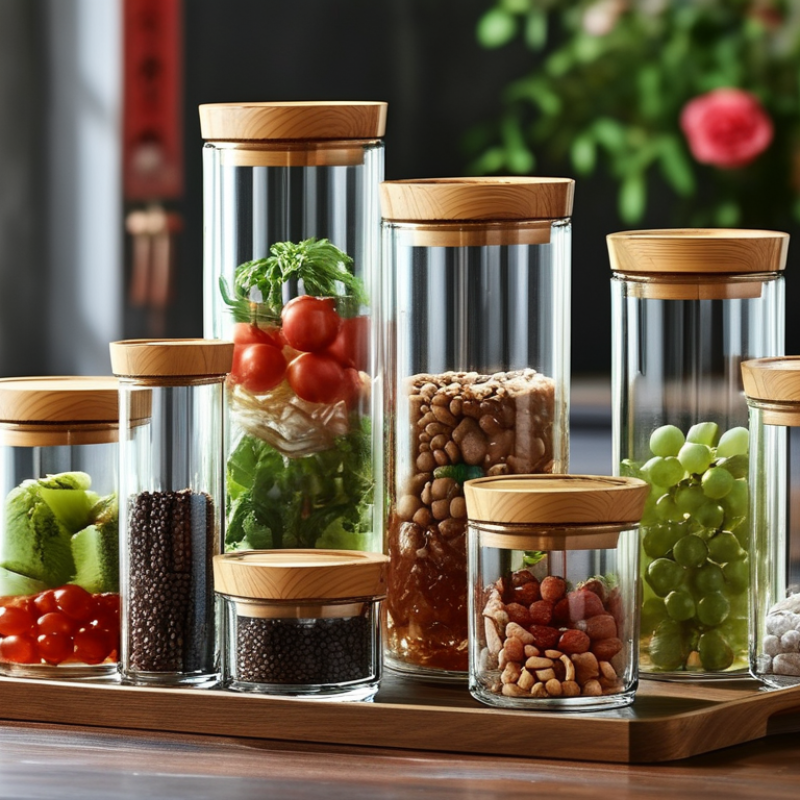
In recent years, air-tight glass storage containers have gained popularity in China. These containers offer an effective solution for preserving food freshness. Their design features a sturdy, transparent glass body, which allows easy identification of contents. The airtight seals play a crucial role in preventing moisture, air, and odors from entering. This is particularly important for bulk buyers and businesses aiming for quality preservation.
The manufacturing process in China leverages advanced technology and skilled craftsmanship. Many facilities prioritize consistent quality and durability. Importantly, materials used are often non-toxic and environmentally friendly. However, some manufacturers do face challenges in meeting international quality standards. This inconsistency can lead to buyer dissatisfaction.
Moreover, while many consumers appreciate the aesthetic appeal of glass containers, they can be heavy and fragile. This aspect may not suit all users, especially those seeking lightweight solutions. The market continues to evolve, with a growing demand for innovative designs. Buyers must balance quality, functionality, and price when selecting products.
When it comes to food preservation, glass storage containers stand out due to their airtight features. These containers prevent air intrusion, keeping food fresh longer. A report from Grand View Research shows that the global glass container market is expected to reach $63 billion by 2027. This growth is driven by the increasing consumer preference for sustainable and eco-friendly products.
Glass storage containers offer numerous benefits. They are non-toxic and do not leach chemicals. Unlike plastics, they can withstand temperature changes without warping. A study by the Food Packaging Forum indicates that consumers are increasingly choosing glass due to its perceived safety. Additionally, these containers are easy to clean and can be reused, adding to their appeal.
Tips: When selecting a glass container, look for dishwasher-safe options. Ensure the lids create a tight seal to maximize freshness. Also, consider the size and shape to best fit your storage needs. Keep in mind that while glass is durable, it can still break; always handle with care.
China has become a significant player in manufacturing air-tight glass storage containers. Many global buyers turn to China for high-quality products, as the market continues to grow. The manufacturers in this region prioritize durability, design, and functionality. Thus, it is essential for buyers to assess their needs before selecting a supplier.
Various factories specialize in producing air-tight glass containers, focusing on different styles and sizes. Some aim for innovative designs, while others concentrate on practicality. Buyers should consider the materials used. Many manufacturers utilize borosilicate glass, known for its thermal resistance. However, not all factories maintain the same quality standards. Research and comparisons can help avoid pitfalls.
Moreover, the pricing can vary significantly among different suppliers. While some offer competitive rates, others may cut corners on quality. It's crucial to build relationships with manufacturers who value transparency. Checking certifications and product reviews can provide insights into their reliability. In this market, careful selection ensures finding reputable partners.
| Container Type | Capacity (L) | Material | Seal Type | Export Markets |
|---|---|---|---|---|
| Round Jar | 1.0 | Glass | Silicone Seal | North America, Europe |
| Square Jar | 1.5 | Borosilicate Glass | Plastic Lock | Asia, Australia |
| Large Storage Container | 3.0 | Recycled Glass | Seal Lid | Worldwide |
| Pet Jar | 0.5 | Glass | Screw Cap | Middle East, South America |
As glass storage solutions gain popularity, consumer preferences are evolving significantly. According to a recent industry report, the glass storage container market is projected to grow by 7% annually. This trend reflects a shift towards sustainable, eco-friendly choices. Consumers increasingly favor glass for its recyclability and non-toxic nature compared to plastics.
Market research indicates that 65% of buyers prioritize airtight seals in their storage containers. They want to preserve food freshness and prevent contamination. This feature appeals to health-conscious individuals, particularly those looking to reduce food waste. Many consumers are also drawn to the aesthetic appeal of glass, which enhances kitchen decor.
However, not all glass containers meet these expectations. Some fail to maintain airtight properties over time. In response, manufacturers must focus on quality testing and innovation. Addressing these shortcomings is crucial for brands seeking to retain consumer trust. With the right approach, the glass storage market can continue to thrive amid rising competition.
The global demand for airtight glass storage containers has surged. In 2022, the market was valued at approximately $1.5 billion and is projected to grow by 6% annually. Chinese manufacturers are strategically positioned to tap into this growth. Their expertise in glass production, combined with affordable pricing, makes them appealing to international buyers.
However, challenges persist. Quality control remains a significant concern. Reports indicate that about 20% of exported containers face quality issues. This can tarnish the reputation of producers. Additionally, shifting consumer preferences toward eco-friendly materials creates pressure for innovation. Chinese producers must adapt quickly. Many are investing in sustainable practices and enhancing product designs to remain competitive. The success of such initiatives will determine their long-term viability in the global market.
Furthermore, logistics pose hurdles. Custom regulations and shipping delays can impede timely deliveries. In 2021, delays affected almost 30% of shipments from China. Navigating these logistical challenges requires strategic planning. Collaboration with reliable shipping partners is essential. Ensuring a consistent supply chain can improve international relationships. Adapting to these dynamics will be crucial for Chinese glass container producers seeking to thrive in a competitive landscape.
: They preserve food freshness by preventing air, moisture, and odors from entering.
They are durable, non-toxic, and allow easy identification of contents.
Some struggle to meet international quality standards, leading to buyer dissatisfaction.
Yes, they can be heavy and fragile, which may not suit all users.
Consider dishwasher-safe options and ensure the lids seal tightly for freshness.
Glass doesn’t leach chemicals and withstands temperature changes better than plastic.
About 20% face quality issues, affecting the reputation of producers.
The demand drives growth, but they must innovate and ensure quality to compete.
Custom regulations and shipping delays disrupt timely deliveries.
While durable, they can break easily; handle with care to avoid accidents.
The article "China Top Air Tight Glass Storage Containers for Global Buyers" provides a comprehensive overview of air tight glass storage containers manufactured in China. It highlights their key features and benefits, such as durability, non-toxicity, and excellent sealing properties, which make them ideal for preserving food and minimizing waste. Additionally, the article explores the popular manufacturers in the region, showcasing their innovative designs and commitment to quality.
Furthermore, the discussion on market trends reveals an increasing consumer preference for sustainable and eco-friendly storage solutions, influencing the demand for air tight glass storage containers. Despite the promising export opportunities for Chinese producers, the article also addresses various challenges, including competition and compliance with international standards. Overall, this insight into China's air tight glass container market underscores its significance in meeting global buyer demands while promoting sustainability.
