
In recent years, the popularity of glass meal storage containers has surged. According to a report by Allied Market Research, the global food storage market is expected to reach $28.1 billion by 2025. This growth reflects a strong consumer preference for healthier and safer food storage options. Glass containers have become a preferred choice due to their durability and non-reactive properties.
Research shows that glass meal storage containers can help reduce food waste by allowing better organization and visibility. A study from the Food Waste Reduction Alliance indicates that 40% of food in the United States is wasted. Investing in quality storage options can mitigate this issue. Yet, not all glass containers are created equal. Some may chip or shatter easily, leading to safety concerns. Consumers must focus on quality and usability when choosing the best products.
While transitioning to glass containers offers many benefits, it also has its challenges. The initial cost may deter some buyers. Also, improper storage methods can lead to breakage and inconvenience. Consumers should weigh these factors carefully when considering glass meal storage containers. Balancing functionality and safety is essential for effective kitchen storage solutions.
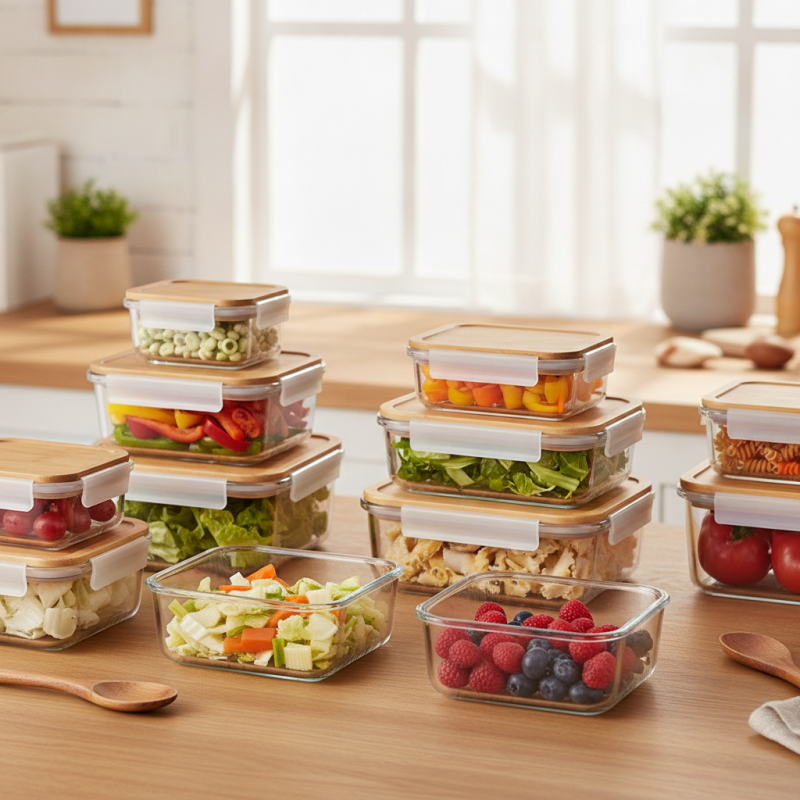
Glass meal storage containers have become essential in modern kitchens. They offer various benefits that make meal preparation and storage more efficient. One key advantage is their durability. Unlike plastic containers, glass is less likely to warp or stain. This longevity means they can withstand daily use, making them a reliable choice for anyone looking to reduce waste.
Another benefit is their ability to retain flavors and freshness. Glass does not absorb odors, ensuring that your meals taste just as good after storage. Plus, many glass dishes are safe for the oven, microwave, and dishwasher. This versatility simplifies cooking and cleaning. However, handling glass requires care. Breakage can occur, and it can be heavy. This might impact your choice of container based on your lifestyle.
Moreover, glass containers are environmentally friendly. They are recyclable and do not leach harmful chemicals, as some plastics do. Choosing glass can be a positive step toward sustainable living. Yet, it's crucial to consider your specific needs. Evaluate your kitchen space and storage patterns before making a purchase. The right containers can enhance your meal prep experience significantly.
When selecting glass meal storage containers, several factors come into play. Material quality is crucial. Look for borosilicate glass, which is resistant to thermal shock and less likely to break from temperature changes. Evaluate lid functionality as well. Airtight lids can preserve freshness and prevent spills, but not all seals are created equal.
Consider the container size and shape for your kitchen needs. Square or rectangular containers often make better use of space than round ones. Transparency is another aspect to think about. Clear glass allows you to see contents easily, saving time when you’re in a hurry. Reflect on how often you store leftovers. More versatile sizes may be better suited for varied meals or batch cooking.
Lastly, think about ease of cleaning. Some containers may not be dishwasher-safe or may stain easily. Look for options that can withstand daily use without showing wear. Balancing these features can be tricky, but they are essential to maintaining a well-organized kitchen.
| Container Size | Material | Oven Safe | Microwave Safe | Dishwasher Safe | BPA-Free |
|---|---|---|---|---|---|
| 1.5 qt | Borosilicate Glass | Yes | Yes | Yes | Yes |
| 3 qt | Tempered Glass | Yes | Yes | Yes | Yes |
| 2 qt | Glass with Plastic Lid | No | Yes | Yes | Yes |
| 4 qt | Borosilicate Glass | Yes | Yes | Yes | Yes |
| 5 qt | Tempered Glass | Yes | Yes | Yes | Yes |
When choosing glass meal storage containers, several brands stand out. Many manufacturers focus on safety and durability. According to a report by Market Research Future, the global glass food storage container market is projected to grow by 4.5% annually. This growth reflects the increasing consumer preference for safe storage solutions that can withstand high temperatures.
Popular features include airtight lids and BPA-free materials. Consumers often seek containers that can seamlessly transition from freezer to microwave. A survey indicated that over 60% of users value meal prep convenience. However, not all glass containers are created equal. Some may shatter when exposed to extreme temperature changes. It is essential to read user reviews to avoid common pitfalls.
In addition to functionality, aesthetics play a role. Clear glass containers allow users to see their food, promoting healthier eating habits. The challenge lies in finding the balance between form and function. Many brands offer stylish designs that can match kitchen decor, but they may come at a higher price point. Weighing the pros and cons is crucial for making an informed decision.
Cleaning glass meal storage containers can be straightforward. However, many overlook some crucial steps. First, it's important to rinse containers immediately after use. Leftover food can cling stubbornly. Letting them soak is often a good idea. But be cautious, as prolonged soaking can lead to stains.
When it comes to washing, warm soapy water works well. A soft sponge prevents scratches. Some users prefer using a dishwasher, but high heat may impact longevity. After cleaning, let containers air dry to prevent any moisture buildup. This helps keep them fresh and odor-free.
Regular maintenance is key. Periodically inspect for chips or cracks. Damaged containers can pose safety risks. Moreover, some stains may require more than just soap. Baking soda or vinegar can be effective natural cleaners. It's worth testing these before resorting to harsher chemicals. Balancing convenience with care can enhance the lifespan of your glass meal storage items.
Glass meal storage containers are becoming essential in modern kitchens. They offer not just durability but also a stylish way to store meals. Their versatility makes them ideal for various food items, from salads to leftovers. You can easily identify your meal through the transparent glass. Plus, they are often microwave-safe, which is a huge bonus for quick reheating.
One popular use for glass containers is meal prep. You can batch cook grains, proteins, and veggies for the week ahead. Arranging these components in separate containers simplifies lunch packing. I often find myself overestimating how much I need, leading to waste. It's crucial to adjust portion sizes while prepping. Glass containers are also perfect for marinating. You can mix seasonings and proteins without worrying about lingering odors or stains.
Another appealing aspect is baking. Certain glass containers can go directly from oven to table. This helps in serving meals without needing extra dishes. However, be cautious with sudden temperature changes; it can cause glass to shatter. Learning to use glass safely takes practice, but the benefits are undeniable.
: They are durable, non-staining, and retain flavors well. They are reliable for meal storage.
Yes, many are safe for the oven, microwave, and dishwasher. Their versatility simplifies cooking tasks.
They help in organizing meals and prevent odor transfer. Portion control is essential to reduce waste.
Absolutely. Glass is recyclable and does not release harmful chemicals. It supports better environmental practices.
Glass can break if mishandled or if exposed to sudden temperature changes. Careful handling is necessary.
No, quality varies. Some may shatter under extreme conditions. Reading user reviews helps avoid poor choices.
Clear glass looks appealing and encourages healthy eating. However, stylish designs may cost more.
Yes, they are great for marinating. No lingering odors or stains make them preferable for this purpose.
They can be heavy and may break easily. Balancing weight and safety is crucial based on personal needs.
Evaluate your storage patterns. Choosing the right shapes and sizes helps in utilizing space effectively.
Glass meal storage containers have become increasingly popular due to their durability and non-toxic properties. These containers offer a safe way to store food, allowing for easy heating and serving. When choosing glass meal storage containers, factors such as size, lid type, and thermal resistance should be considered to meet your specific kitchen needs.
Maintaining these containers is relatively straightforward; regular cleaning with gentle detergents will keep them in top condition. Additionally, glass meal storage containers can be versatile for various uses, from meal prep to leftovers, and they can also be utilized in creative recipes. By investing in high-quality containers, you can enhance your kitchen efficiency and food storage practices.