When it comes to food storage, choosing the right container is essential. Glass food containers have become increasingly popular for their safety and versatility. These containers are not only durable but also free from harmful chemicals often found in plastic. Many people appreciate that glass does not absorb odors or stains, keeping your food fresh and clean.
Investing in high-quality glass food containers can help you maintain a healthier lifestyle. They are perfect for meal prepping and reduce the need for single-use plastics. However, there are many options on the market, making it hard to choose the best one. Some containers come with lids that are not airtight, which can lead to spills and spoilage. Research is vital for finding containers that meet your specific needs.
In our quest for the best glass food containers, we must also evaluate usability and design. A well-designed container can make a significant difference in your kitchen routine. However, not every option is ideal for everyone, and it's important to reflect on what works best for your storage habits.
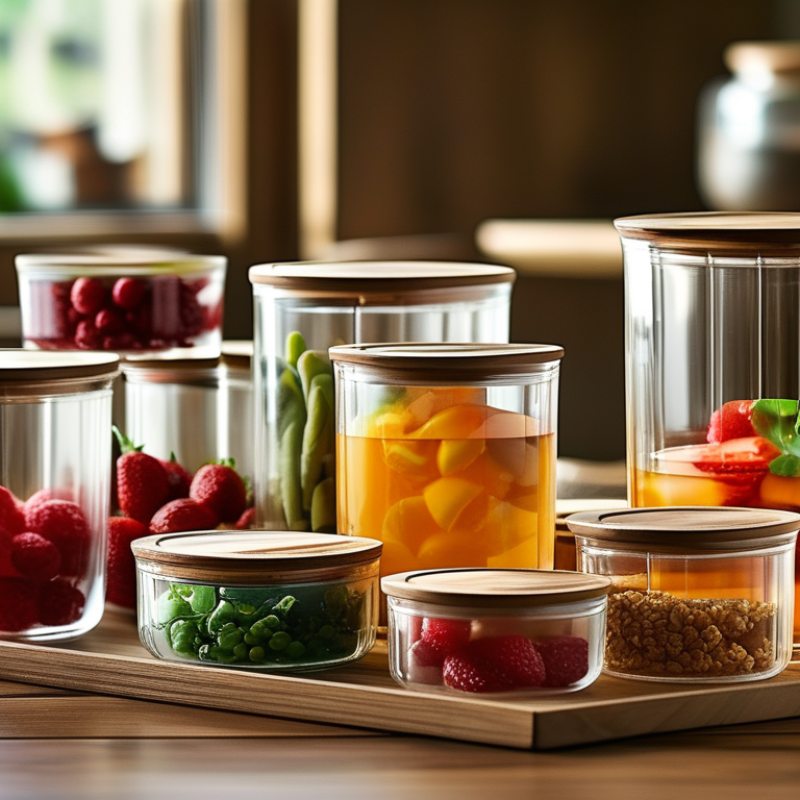
Types of Glass Food Containers for Safe Storage
When choosing glass food containers for safe storage, it's essential to understand the different types available. One popular type is the airtight container. These are designed with seals that lock in freshness, making them ideal for storing grains or leftovers. They help prevent moisture and air from spoiling food. However, some might find them challenging to open, especially for children or seniors.
Another common option is freezer-safe glass containers, perfect for meal prep and batch cooking. They can handle low temperatures without cracking. Many people appreciate how they make it easy to see food at a glance. Yet, it’s crucial to allow food to cool before placing it in the freezer. Placing hot food directly can lead to thermal shock, causing breakage.
Lastly, we have versatile glass containers with detachable lids. These are great for reheating meals in the microwave. However, users should ensure that lids are microwave-safe. Missed details like these can lead to melting or release harmful chemicals. All in all, selecting the right type of glass container requires careful consideration of your specific needs and habits.
Best Glass Food Containers for Safe Food Storage
| Container Type |
Size (oz) |
Features |
Oven Safe |
Microwave Safe |
| Round Container |
24 oz |
Airtight Lid, BPA-Free |
Yes |
Yes |
| Square Container |
48 oz |
Stackable Design, BPA-Free |
Yes |
Yes |
| Meal Prep Containers |
32 oz |
Partitioned, Leak-Proof |
Yes |
Yes |
| Baking Dish |
60 oz |
Handles, Non-Toxic |
Yes |
Yes |
| Storage Jar |
16 oz |
Wide Mouth, Airtight Seal |
No |
No |
Benefits of Using Glass Containers Over Plastic
When it comes to food storage, glass containers offer clear advantages over plastic. Research indicates that around 40% of Americans express concern about harmful chemicals in plastics, specifically BPA and phthalates. These substances can leach into food, especially when heated. Glass is non-toxic and does not react with food, ensuring safer storage options for families.
In addition to health benefits, glass containers are often more durable. Studies show that they can withstand extreme temperatures, making them ideal for both freezing and reheating. A 2022 report revealed that glass retains food quality better than plastic, with less chance of absorbing odors or stains. This longevity may impact your wallet positively, as glass containers typically last longer, reducing the need for frequent replacements.
However, it's important to consider the weight and potential breakability of glass. Unlike plastic, glass can shatter if dropped. This aspect is one reason why some people still prefer plastic. While glass is superior in many ways, it is not without its drawbacks. Balancing these factors is key when choosing the right containers for your food storage needs.
Key Features to Look for in Glass Food Storage
When choosing glass food containers for safe storage, it’s crucial to consider certain key features. First, ensure the containers are made from high-quality, durable glass. Research shows that borosilicate glass withstands temperature changes better than standard glass. This feature prevents cracking under high heat, making it suitable for both the oven and the freezer.
Next, look for airtight seals. Containers with silicone seals dramatically reduce air exposure. A study by the Food Research Institute highlights that airtight storage keeps food fresher for longer, minimizing waste. Additionally, glass containers that are microwave and dishwasher safe enhance convenience. However, it’s essential to check for any signs of wear on seals, as this can compromise food safety.
Lastly, consider size and shape. Versatile containers are perfect for different food types. A survey indicated that standardized sizes help consumers avoid clutter in the fridge. However, it’s worth noting that larger containers can sometimes promote over-preparation, leading to food spoilage. Balancing capacity with practical use is necessary for effective storage.
Best Glass Food Containers for Safe Food Storage
Tips for Proper Care and Maintenance of Glass Containers
When using glass food containers, proper care is essential. Studies show that glass containers are safer than plastic ones, as they do not leach harmful chemicals into food. However, maintaining their integrity requires attention.
Always wash glass containers with mild soap. Avoid abrasive pads that might scratch the surface. Scratches can become breeding grounds for bacteria, potentially compromising food safety. Rinse them thoroughly to remove all soap residue, which could affect the taste of your meals.
Store your glass containers in a cool, dry place. High temperatures can weaken the glass over time. Don’t expose them to sudden temperature changes; this can cause cracking. Also, consider allowing some space between jars to avoid bumping. Research suggests that proper storage extends the lifespan of these containers significantly. Regularly check for chips or cracks, and replace damaged items promptly to ensure food safety.
Top Brands and Recommendations for Glass Food Storage Solutions
When it comes to food storage, glass containers are a safe and eco-friendly choice. They do not leach harmful chemicals like some plastics. Many people prefer glass for its durability and ease of cleaning. High-quality glass containers can withstand temperature changes, making them versatile for the fridge, freezer, or oven.
Several trusted brands consistently receive positive reviews for their glass storage solutions. These brands focus on safety and functionality. Their products often feature airtight lids, which keep food fresh for longer periods. It’s also worth noting that the weight of glass containers can be a downside. They can be heavier than plastic, which might be a concern for some users.
Using glass containers also encourages mindful food storage practices. They allow you to see your food clearly, reducing waste. However, it’s important to ensure the lids are in good condition. A damaged seal can lead to spoilage. Overall, finding the right glass container requires consideration of your specific needs and preferences.
FAQS
: Look for high-quality, durable glass. Borosilicate glass is ideal for temperature changes.
Airtight seals reduce air exposure, keeping food fresher longer and minimizing waste.
Yes, many glass containers are microwave and dishwasher safe. Always check for wear on seals.
Do not use abrasive pads, as they can scratch surfaces and harbor bacteria.
Store in a cool, dry place. Avoid sudden temperature changes to prevent cracking.
Damaged containers can compromise food safety. Replace them promptly if needed.
Choose versatile sizes to suit different foods. Be cautious of larger containers promoting over-preparation.
Regular cleaning and careful storage help maintain their integrity and prevent damage.
Yes, glass does not leach harmful chemicals into food, making it a safer choice.
Soap residue can affect the taste of meals, so rinse them thoroughly after washing.
Conclusion
When it comes to safe food storage, glass food containers offer a reliable and environmentally friendly option. These containers come in various types, including jars, bowls, and meal prep containers, each tailored for specific storage needs. The benefits of using glass over plastic are numerous, such as the absence of harmful chemicals, enhanced durability, and the ability to withstand high temperatures.
Key features to consider when selecting glass food containers include airtight seals, leak-proof designs, and freezer-safe capabilities. Proper care and maintenance are essential for prolonging the life of these containers, which can include avoiding sudden temperature changes and using gentle cleaning methods. By choosing high-quality glass food containers, individuals can ensure safe food storage while also contributing to a more sustainable lifestyle.

